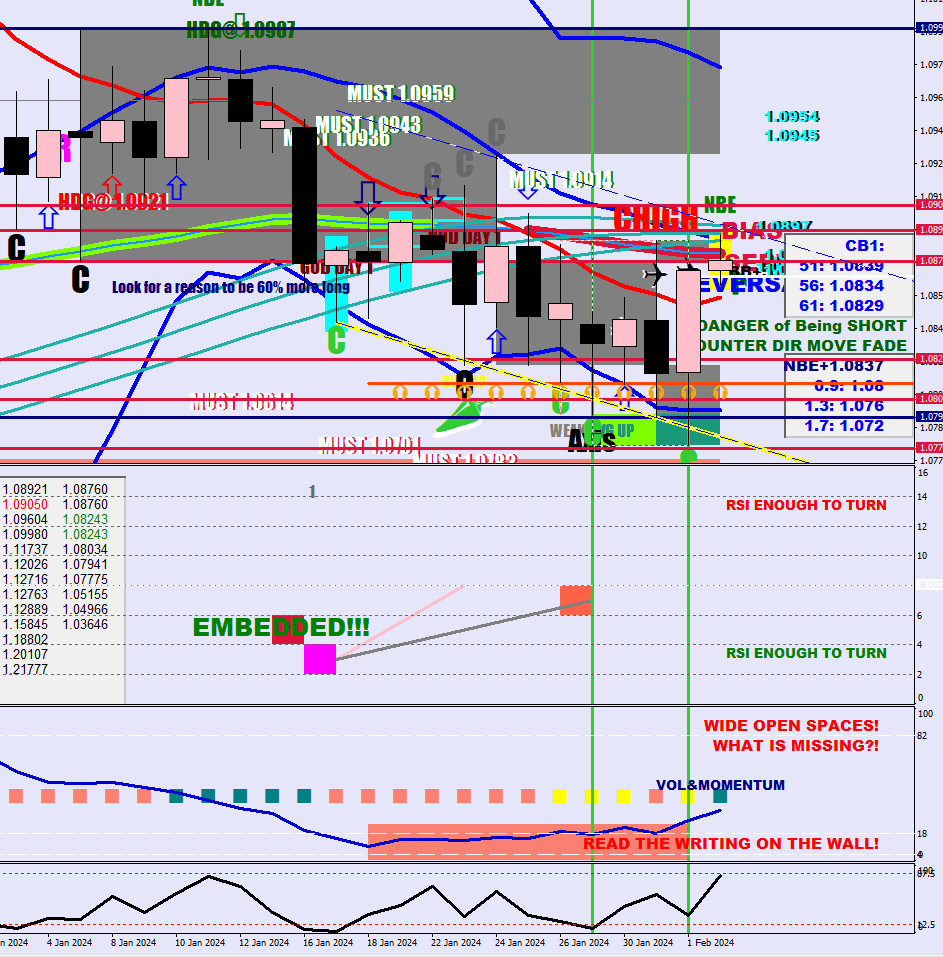
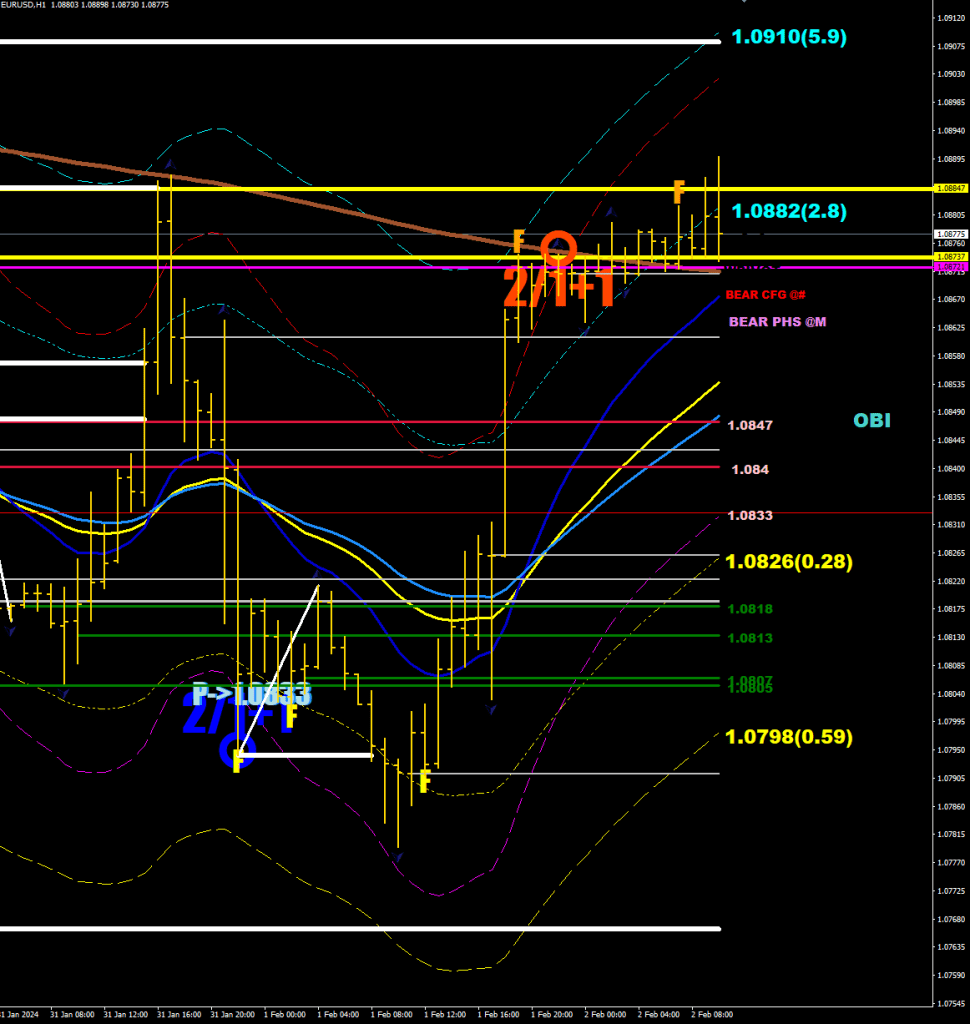
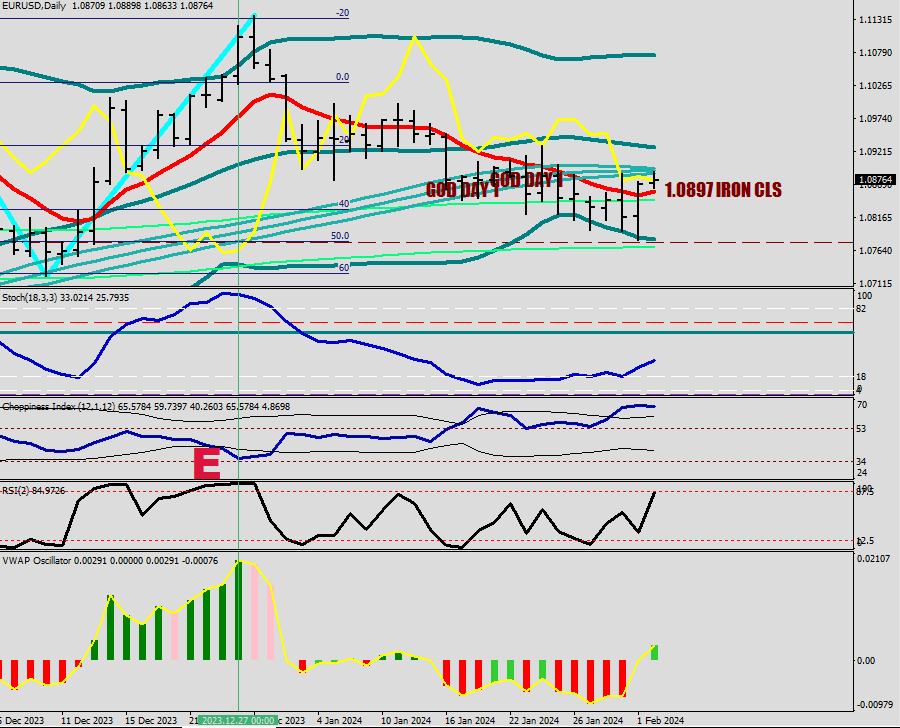
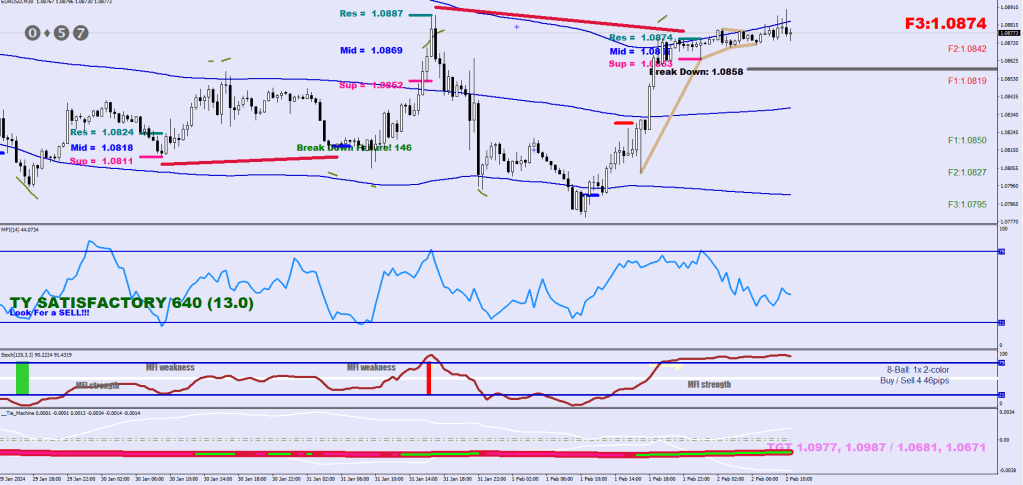
In this world only death, taxes and the possibility of an abduction are certain.
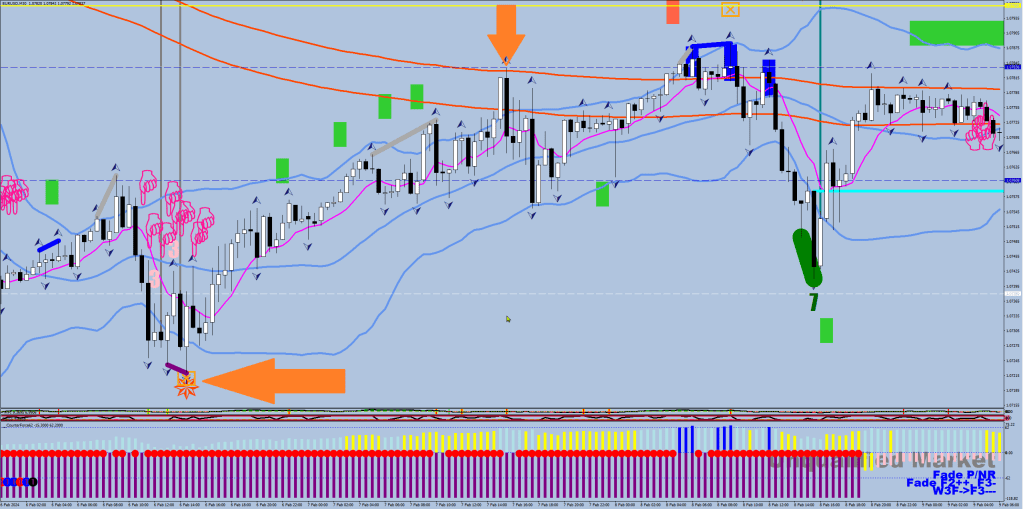
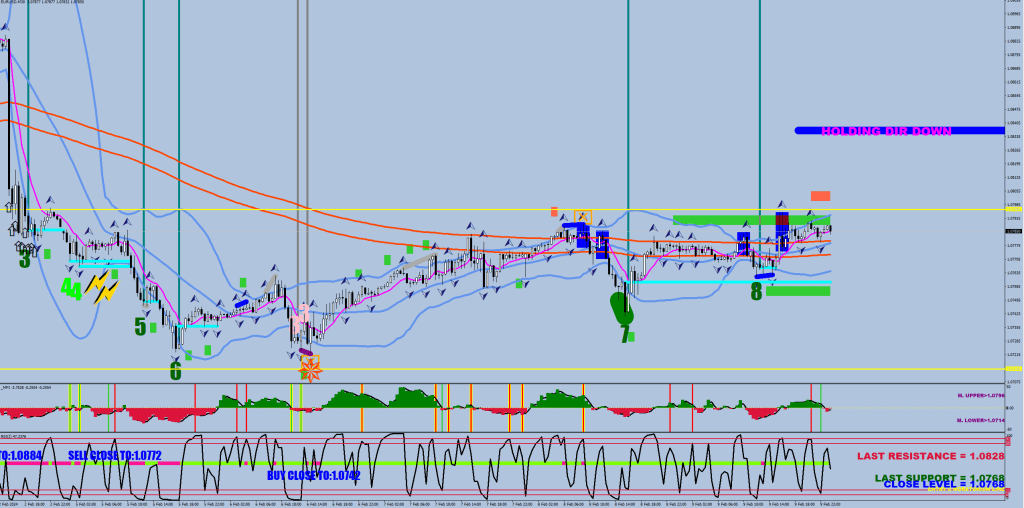
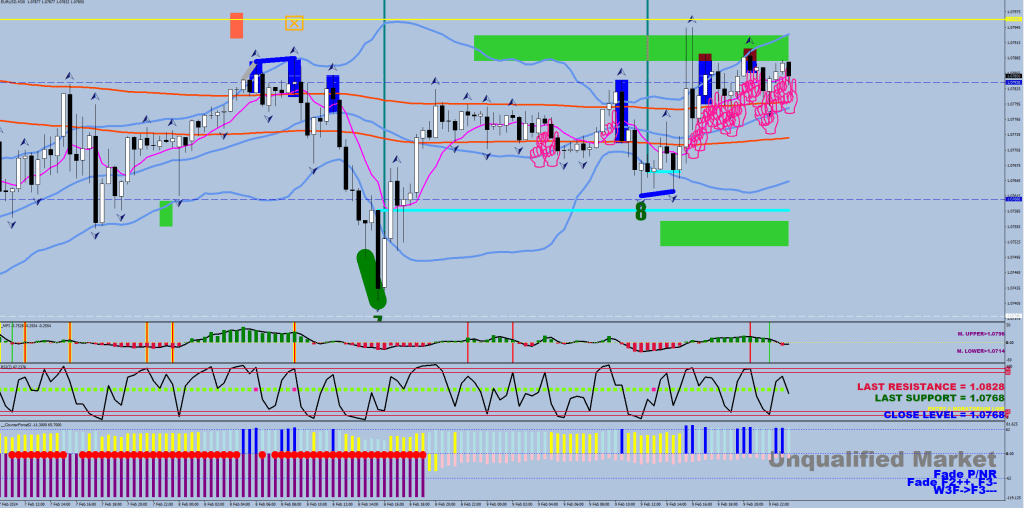
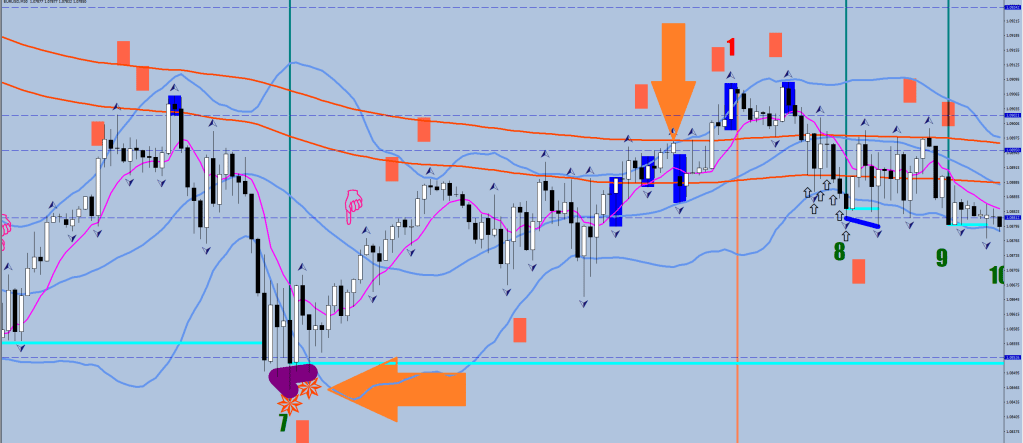
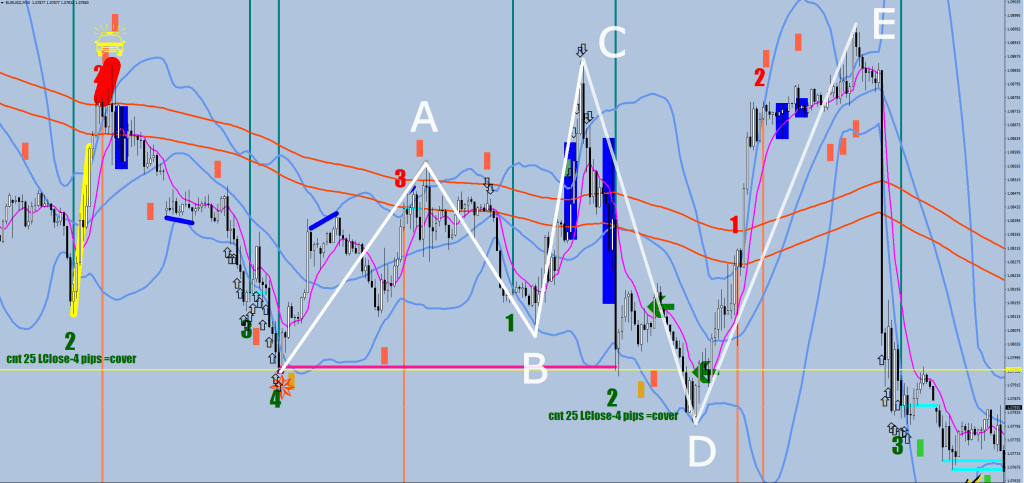
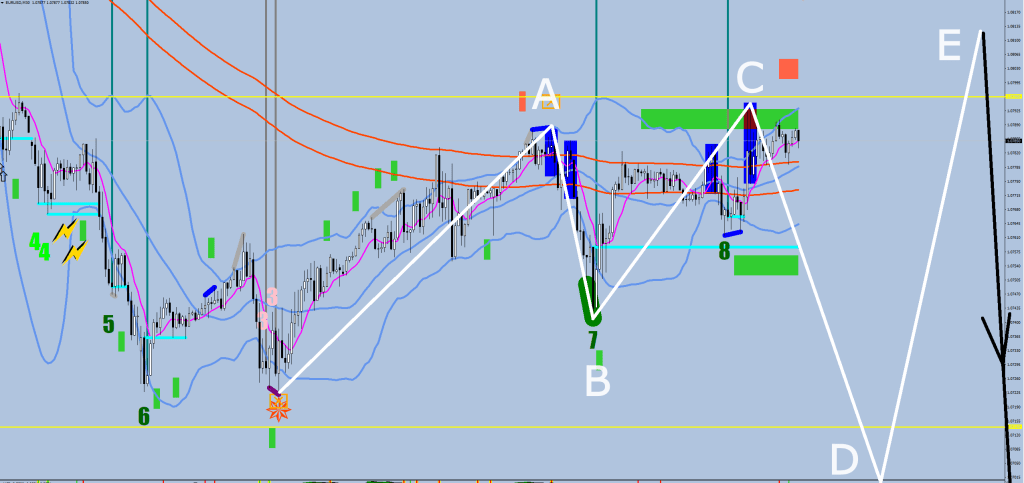
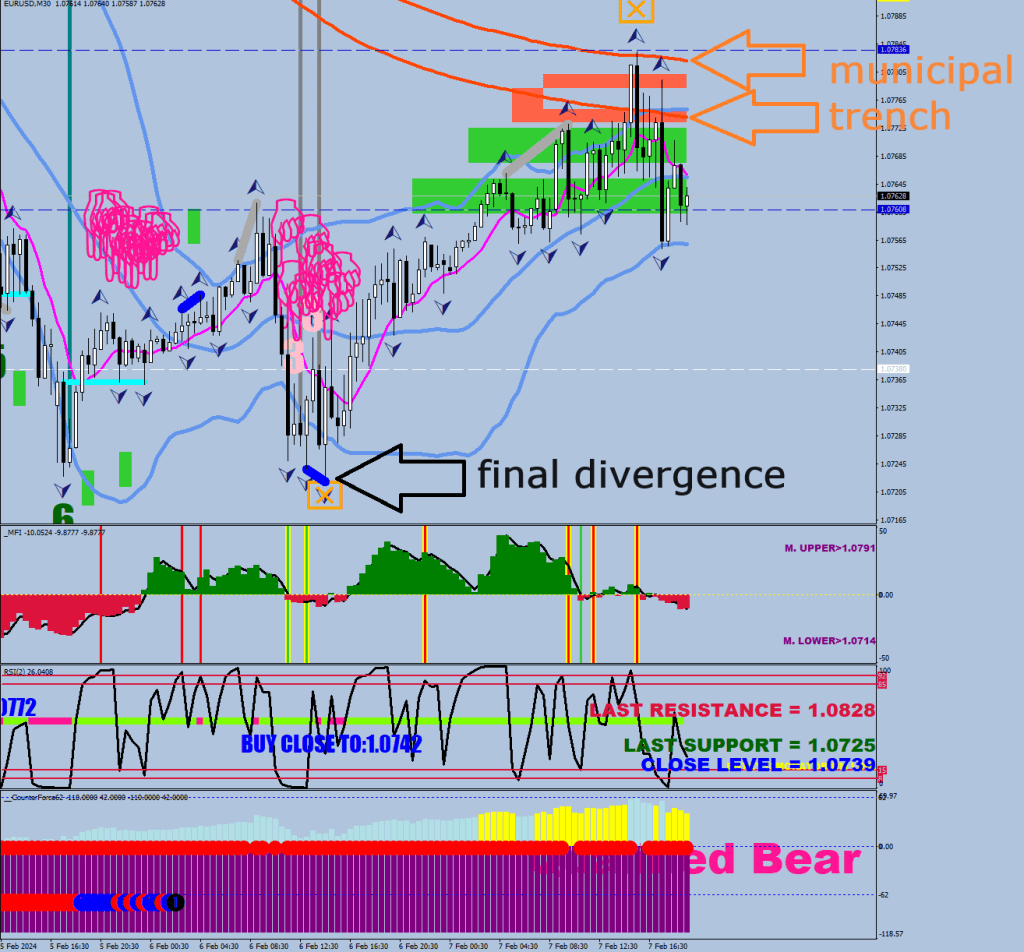
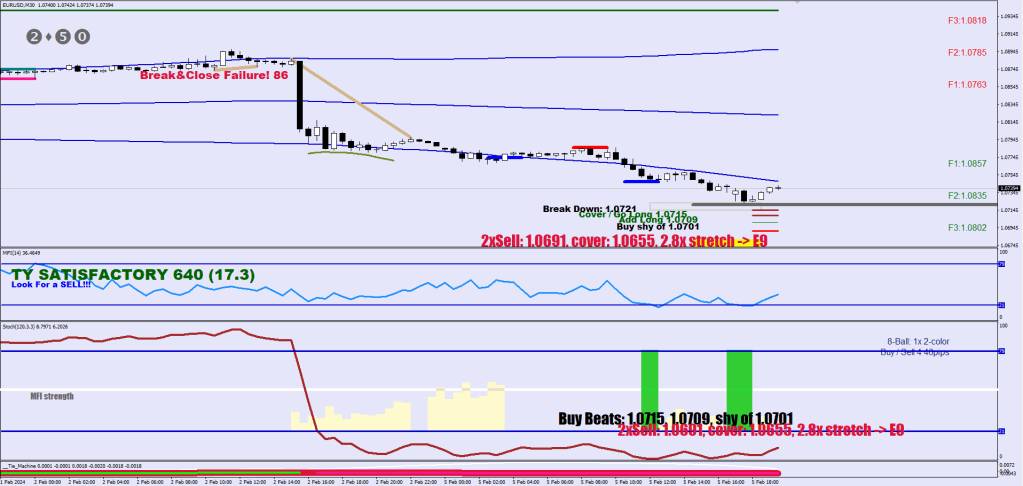
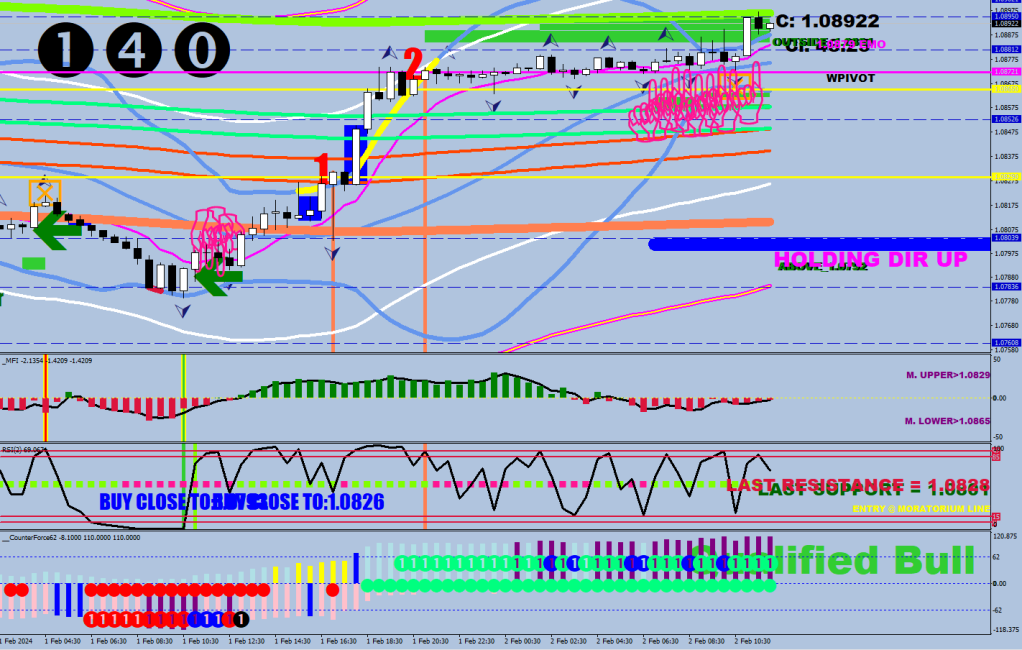
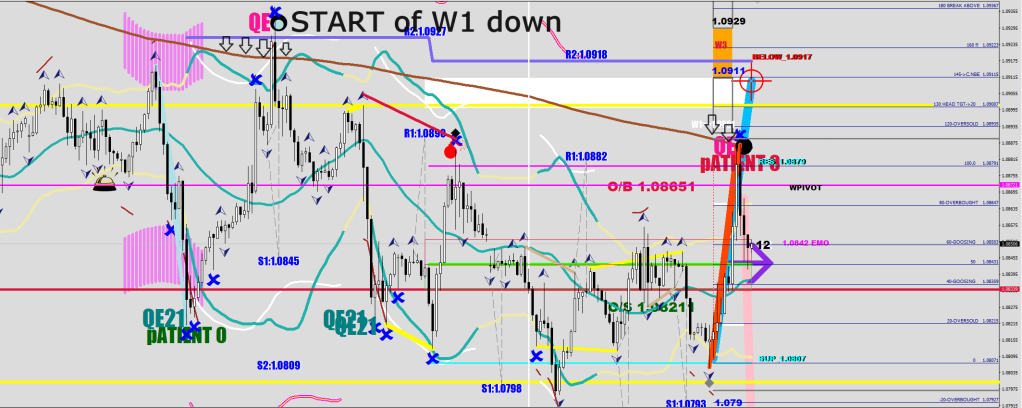
An abductable market is where the counter directional volatility (200 sample, 30 min) does not reach 40 pips (crack 4, yellow sicks).
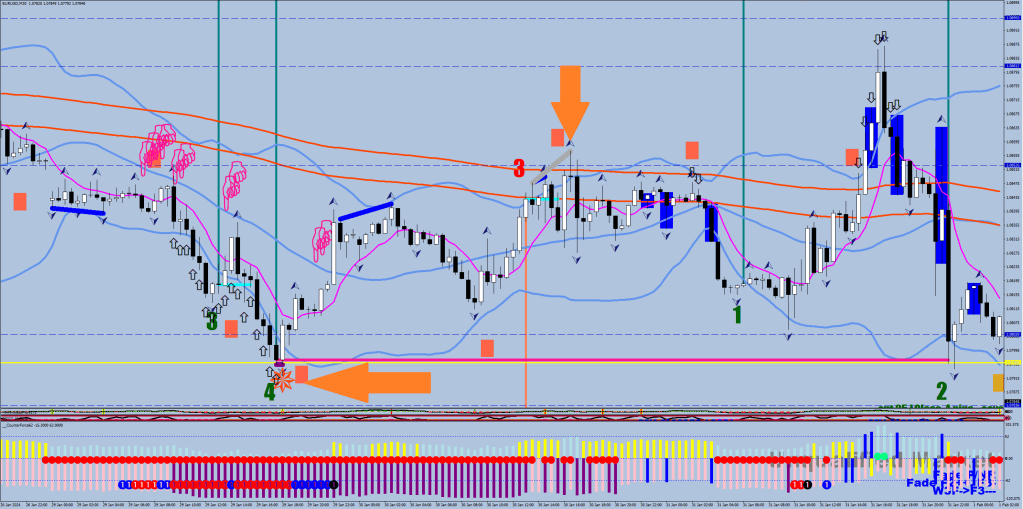
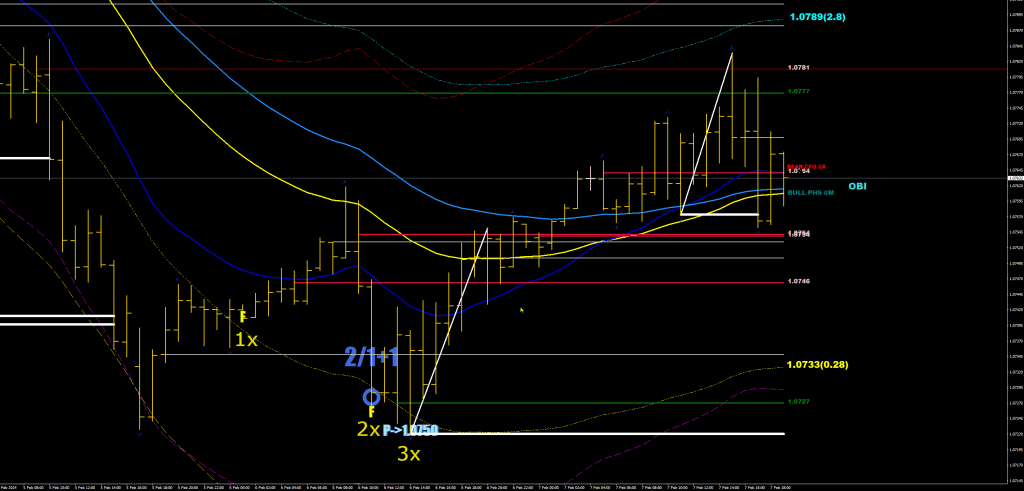
In an abductable market, play a Crack 3 re-capture (1st close back above 30 min S30 – Play 2x size, take 10.pips) and Crack Zero recaps. Crack Zero also requires a close back above the 8 EMO get in on a relapse to the BB. Play 2x size, target opposing 60-min BB plus 5 more pips.
Repeat until a Crack 4 prints.


I bet you did not know how reclaiming actually worked. I did not either util today.
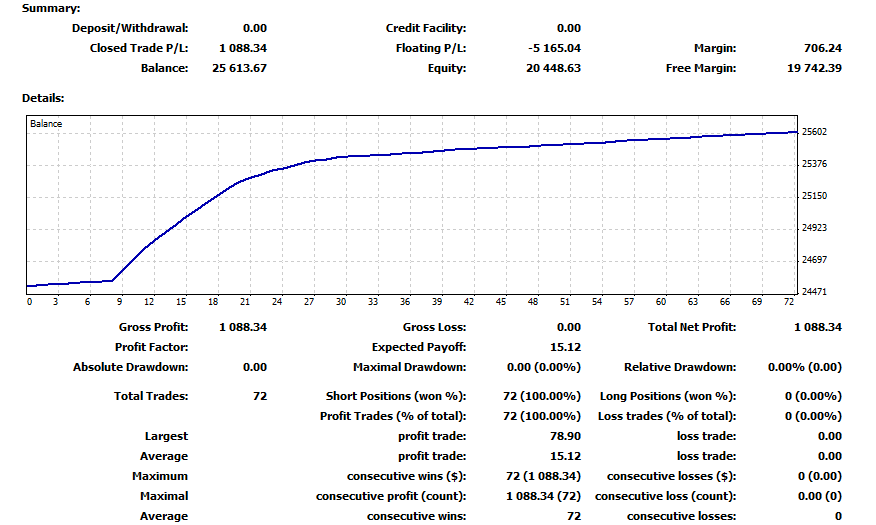
The first play with10 lots would have yielded 1000-60= $940,
the second would have made cca 2400-144= $2256 net.
This is why this free blog and a $99 indicator may just be the best investment you could ever make towards uncapped income.
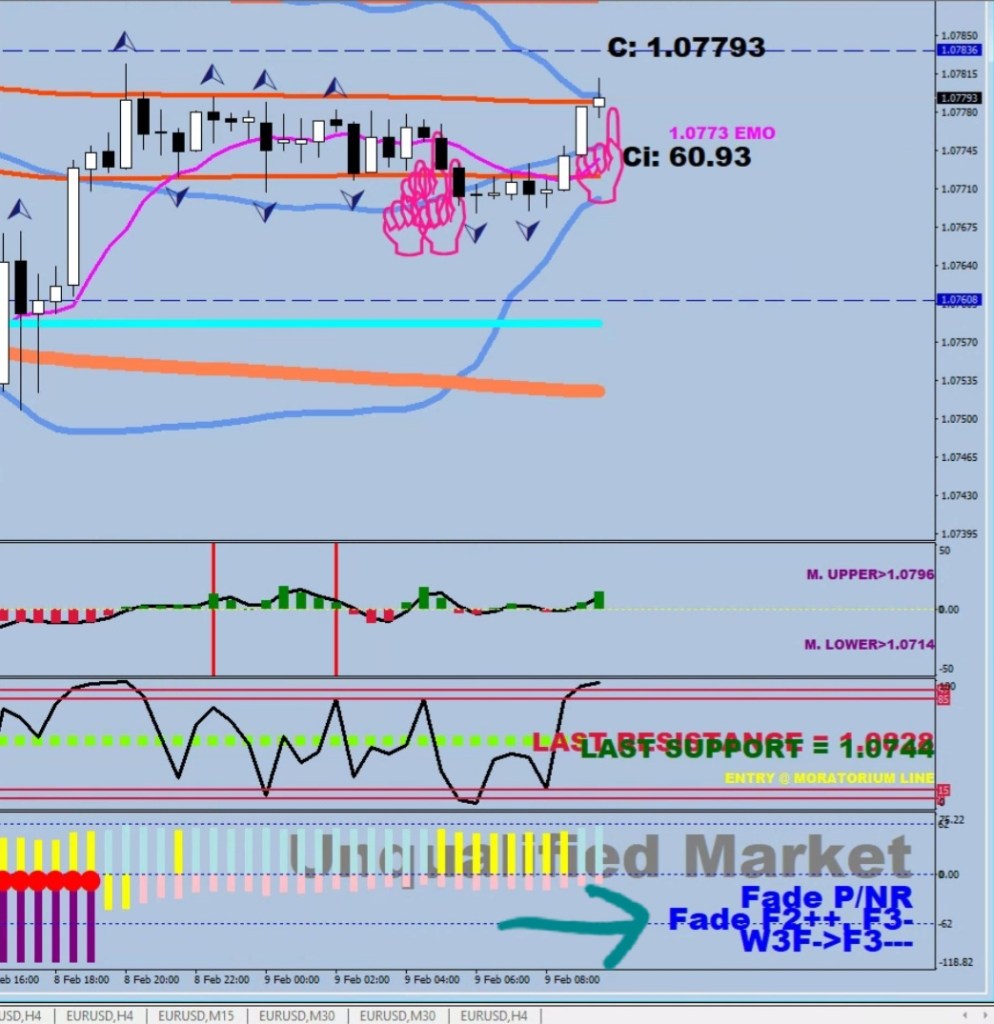
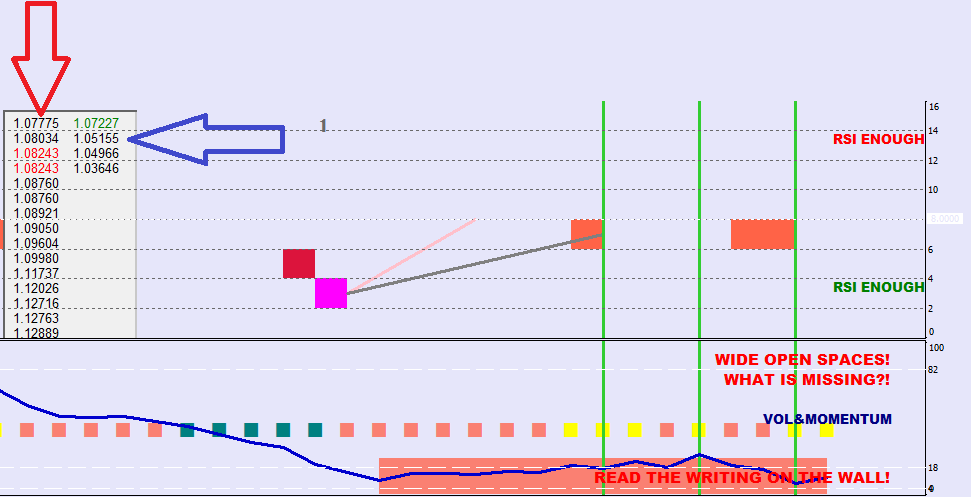
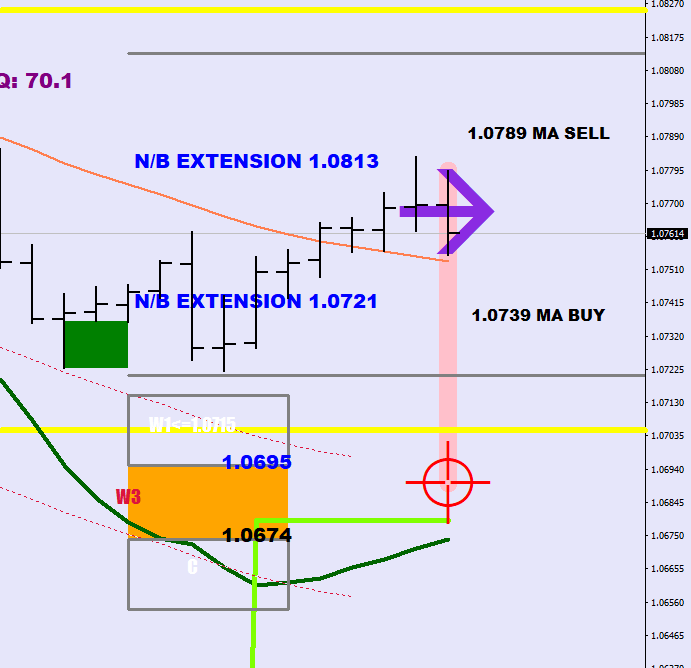
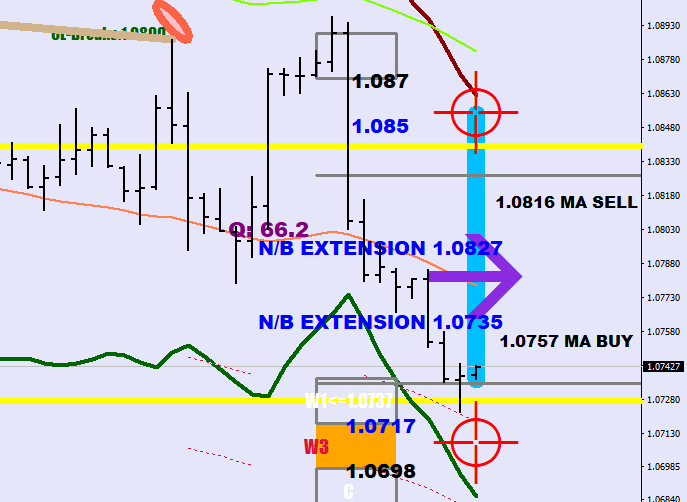
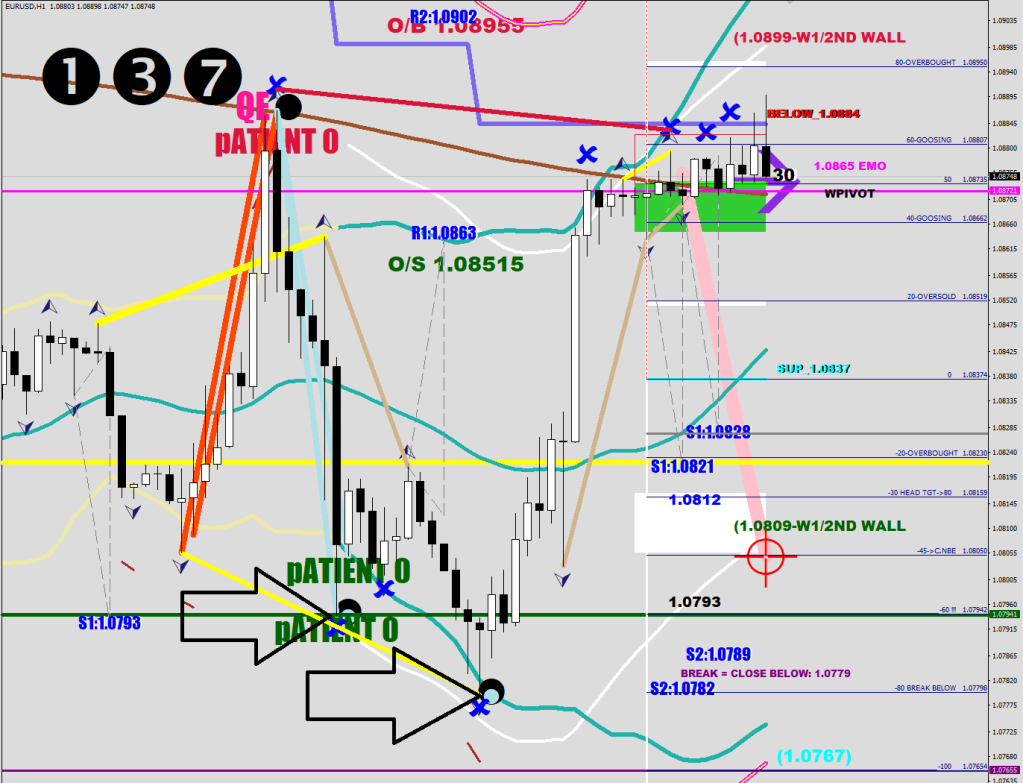
The hands appear in a protected market upon price approaching the S30. Sort of a hands up for either volatility crack coming or a potential re-capture. I ended up using an alien head for warning for the potential Alien Abduction.
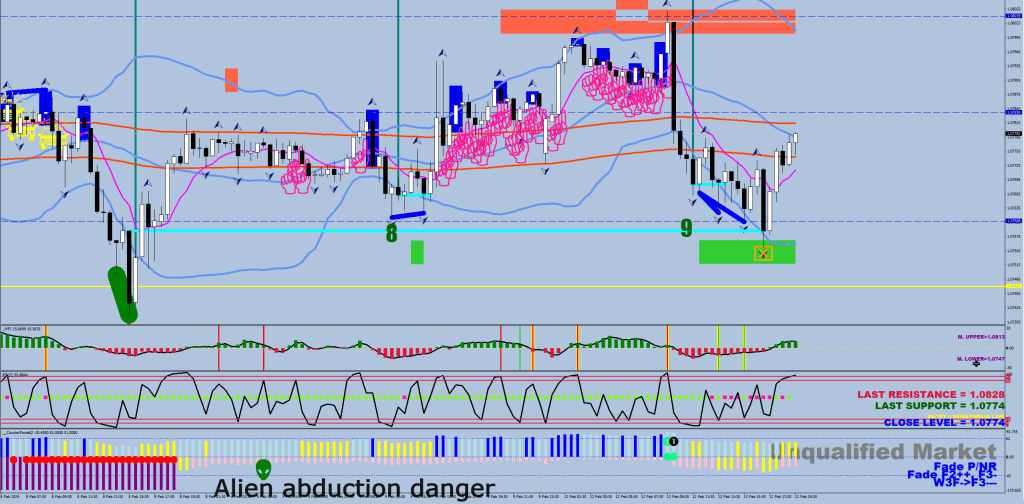
12 slinky dinky pinkies = abduction danger is on.

There are bad aliens on both sides.
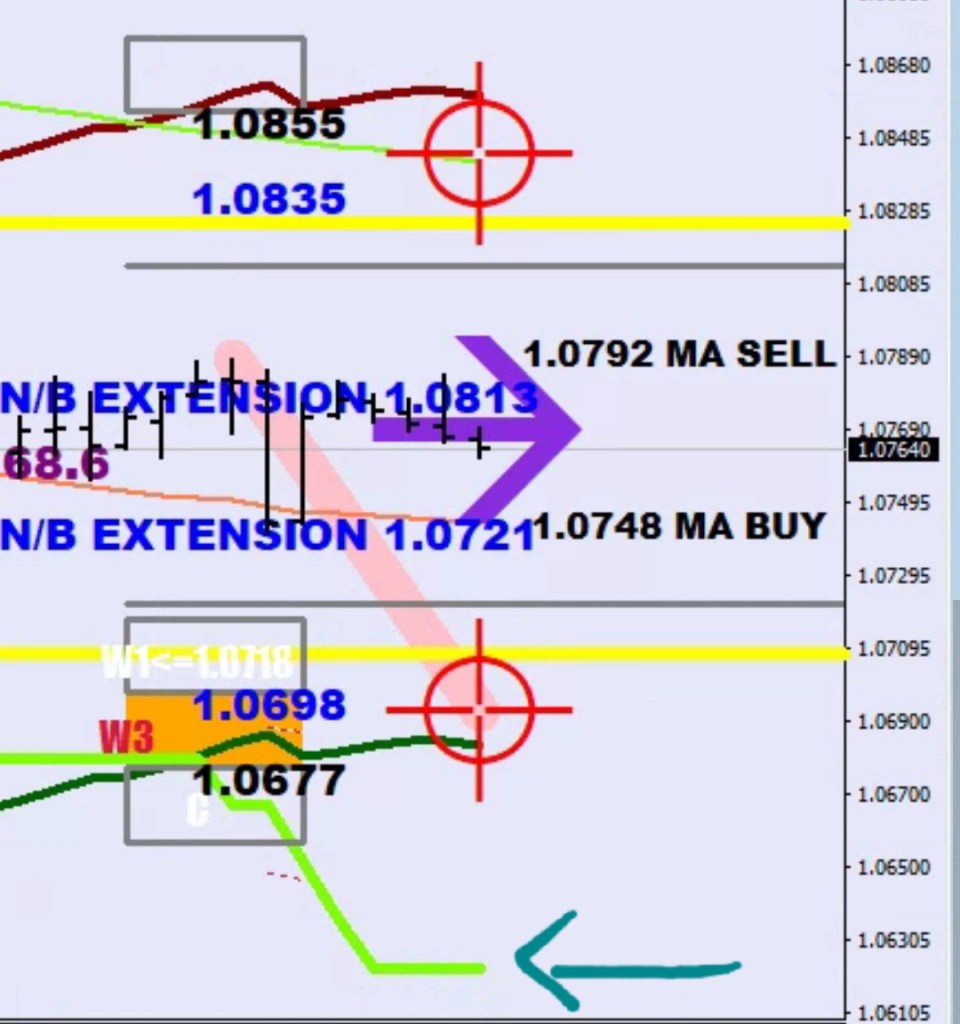
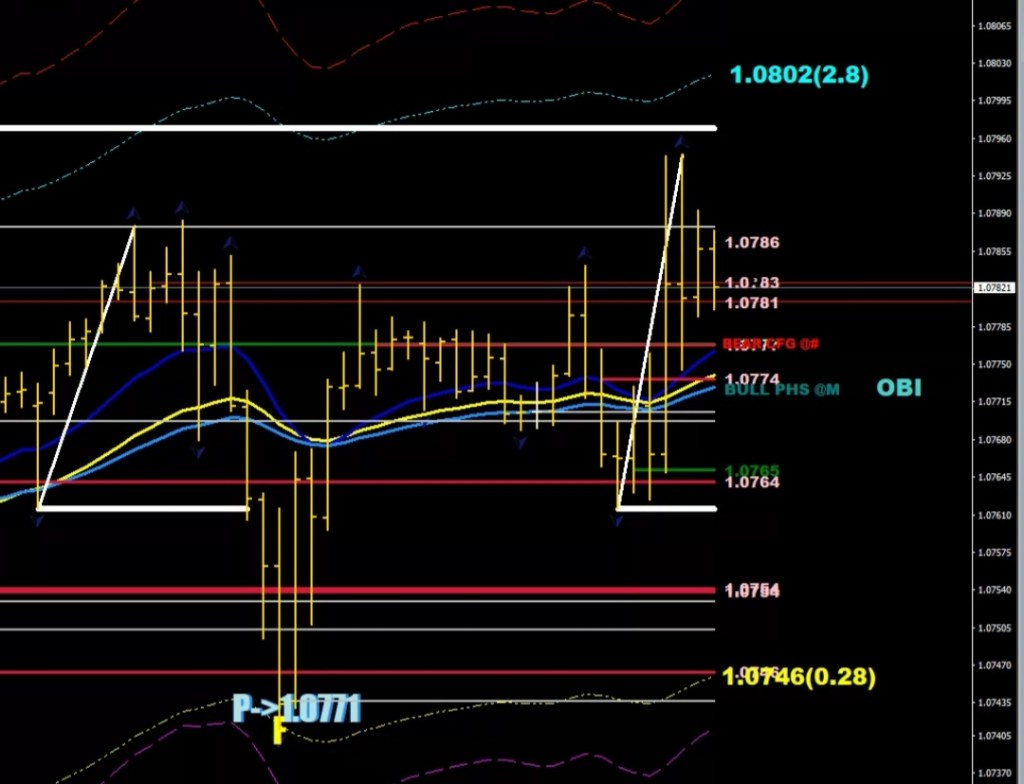
I did not play these trades, only later did I manag to put together what I saw on twitter, which was playing 10 pips with 10 lots (on a fully funded demo account) and the idea of protection. Things are seriously looking up now. I’m holding 4-5 lots shorts anyway, so picking up 10 lots in the opposite direction would be a very smart move (5-6 lots naked) if I had a way to guarantee a 10+ pip move. I also have CODE 63 made as part of my auto-targeter routine, which aims for the upper 60-min 30-sample BB when using 0.63 for stop loss and for the lower one and another 5 pips with a stop loss code of 6.3
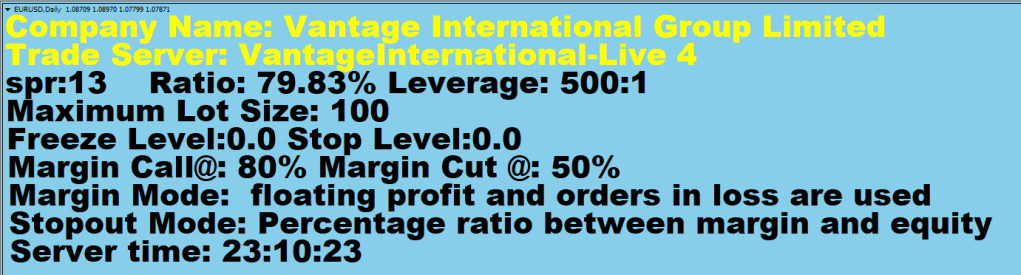
I may just end up switching to a pro account for a lower spread instead of becoming an IB.
Auto Trading has to be on to run the following Expert, and you must attach it to the ticker you trade. For intance, I trade EURUSD+ which is the raw spread, whilst I do my charting is done on EURUSD which is the “fixed spread”. This way I don’t end up adjusting targets and stop losses by accidentally dragging an existing trade with the pointer. I always choose 30-minute basis.
Trail Stops:
Code 11: (Stop loss: 11 / 0.11) RSI2 sensitive protective stop loss, locks in 4 pips of profits when the RSI2 reading (30 mins) above 80 or below 20
Code 2: (Stop loss: 2 / 0.2) locks in 1.5 pips after going 8 pips into gains, 3 pips after 8 in gains.
Code 3: ( Stop loss: 3 / 0.3) locks in 64 pips after being 64+ in gains.
Code 333: (Take Profit: 3.33 / 0.333) adjusts the stop loss 10-pips closer than the most recent (35 count) furthest 30-minute 30-sample BB HL2 in the opposing direction (slow motion vehicle)
Targeters:
Code 4: (Stop loss: 4 / 0.4) 8-sample 4HR low + 40 pip or 4Hr high – 40 pip tartgets
Code 44: (Stop loss: 4.4 / 0.44) targets the hourly E-44 of closes.
Code 77: (Stop loss: 7.7 / 0.77) looks up the last 15-minute fractal and targets 70 pips from that swing point.
Code 5: (Stop loss: 5 / 0.5) targets the hourly E-16 of closes.
Code 6: (Stop loss: 6 / 0.6) targets the hourly E-32 of closes.
Code 7: (Stop loss: 7 / 0.7) targets the hourly E-72 band (E-72 of Highs from below, E-72 of Lows from above)
Code 63: (Stop loss: 6.3 / 0.63) targets 5 pips beyond the hourly 30-sample BB (HL2)
Code 33: (Stop loss: 3.3 / 0.33) targets 5 pips beyond the 30-minute 30-sample BB (HL2)
Code 8: (Stop loss: 8 / 0.8) targets the 30-minute 8-EMO
Code 9: (Stop loss: 9 / 0.9) targets the 60-minute E-89 Highs from below, E-89 of Lows from above)
Code 26: (Stop loss: 2.6 / 0.26) targets the 30-minute 17-EMO plus / minus 26 pips
Code 52: (Stop loss: 5.2 / 0.52) targets the 30-minute 17-EMO plus / minus 52 pips
Code 78: (Stop loss: 7.8 / 0.78) targets the 30-minute 17-EMO plus / minus 78 pips
Code 48: (Stop loss: 4.8 / 0.48) targets the 4-HR 8-EMO
Code 430: (Stop loss: 4.3 / 0.43) targets 5 pips beyond the 4HR 30-sample BB (HL2)
Code 432: (Stop loss: 4.32 / 0.432) targetst he 4-HR E-32 HL2
Code 45: (Stop loss: 4.5 / 0.45) targets the 30-minute E-32 HL2 plus / minus 45 pips (stratosphere)
Code 87: (Stop loss: 8.7 / 0.78) targets the 30-minute E-32 HL2 plus / minus 87 pips (ionosphere)
“Everything else is effin nonsense” TradeDeMark of RagDollio.
Donations are welcome to: macdulio@yahoo.com
Now that I have let multiple cats out of the bag, there’s no going back.
Croppers (too many to write a list):
 ///// Crop continuation long (95)

    if( OrderType()==OP_BUY && (OrderStopLoss()==0.05  || OrderTakeProfit()==95) && OrderMagicNumber()!=50 && OrderMagicNumber()!=51 && OrderMagicNumber()!=52 && OrderMagicNumber()!=53 && OrderMagicNumber()!=54 && OrderProfit()>0 &&
   RSI2[0]>95 && Bid>OrderOpenPrice()+.50*Point && OrderProfit()+OrderSwap()+OrderCommission()>0)
        {OrderClose( OrderTicket(), OrderLots(), MarketInfo(OrderSymbol(), MODE_BID), 5, Red );
            Print("RSI Cropper Closed LONG @ "+MarketInfo(OrderSymbol(), MODE_BID)+" for ", OrderProfit());}

///// Crop continuation short (0.05)

    if( OrderType()==OP_SELL && (OrderStopLoss()==95  || OrderTakeProfit()==0.05) && OrderMagicNumber()!=50 && OrderMagicNumber()!=51 && OrderMagicNumber()!=52 && OrderMagicNumber()!=53 && OrderMagicNumber()!=54 && OrderProfit()>0 &&
   RSI2[0]<5 && Ask<OrderOpenPrice()-.50*Point && OrderProfit()+OrderSwap()+OrderCommission()>0)
        {OrderClose( OrderTicket(), OrderLots(), MarketInfo(OrderSymbol(), MODE_ASK), 5, Red );
            Print("RSI Cropper Closed SHORT @ "+MarketInfo(OrderSymbol(), MODE_ASK)+" for ", OrderProfit());}


///// Crop 0.03 long (BB30 UPPER)

    if( OrderType()==OP_BUY && (OrderStopLoss()==0.03  || OrderTakeProfit()==30.00) && OrderMagicNumber()!=50 && OrderMagicNumber()!=51 && OrderMagicNumber()!=52 && OrderMagicNumber()!=53 && OrderMagicNumber()!=54 && OrderProfit()>0 &&
   Close[0]>iBands(symbol,60,30,2,0,PRICE_MEDIAN,MODE_UPPER,0) && Bid>OrderOpenPrice()+.50*Point && OrderProfit()+OrderSwap()+OrderCommission()>0)
        {OrderClose( OrderTicket(), OrderLots(), MarketInfo(OrderSymbol(), MODE_BID), 5, Red );
            Print("Cropper Closed LONG @ "+MarketInfo(OrderSymbol(), MODE_BID)+" for ", OrderProfit());}

///// Crop 30.0 short (BB30 LOWER)

    if( OrderType()==OP_SELL && (OrderStopLoss()==30.0  || OrderTakeProfit()==0.03) && OrderMagicNumber()!=50 && OrderMagicNumber()!=51 && OrderMagicNumber()!=52 && OrderMagicNumber()!=53 && OrderMagicNumber()!=54 && OrderProfit()>0 &&
   Close[0]<iBands(symbol,60,30,2,0,PRICE_MEDIAN,MODE_LOWER,0) && Ask<OrderOpenPrice()-.50*Point && OrderProfit()+OrderSwap()+OrderCommission()>0)
        {OrderClose( OrderTicket(), OrderLots(), MarketInfo(OrderSymbol(), MODE_ASK), 5, Red );
            Print("Cropper Closed SHORT @ "+MarketInfo(OrderSymbol(), MODE_ASK)+" for ", OrderProfit());}


///// Crop 0.216 long (BB216 main)

    if( OrderType()==OP_BUY && (OrderStopLoss()==0.216  || OrderTakeProfit()==2.16) && OrderMagicNumber()!=50 && OrderMagicNumber()!=51 && OrderMagicNumber()!=52 && OrderMagicNumber()!=53 && OrderMagicNumber()!=54 && OrderProfit()>0 &&
   Close[0]>iBands(symbol,5,216,2.5,0,PRICE_MEDIAN,MODE_MAIN,0) && Bid>OrderOpenPrice()+.50*Point && OrderProfit()+OrderSwap()+OrderCommission()>0)
        {OrderClose( OrderTicket(), OrderLots(), MarketInfo(OrderSymbol(), MODE_BID), 5, Red );
            Print("Cropper Closed LONG @ "+MarketInfo(OrderSymbol(), MODE_BID)+" for ", OrderProfit());}

///// Crop 2.16 short (BB216 main)

    if( OrderType()==OP_SELL && (OrderStopLoss()==2.16  || OrderTakeProfit()==0.216) && OrderMagicNumber()!=50 && OrderMagicNumber()!=51 && OrderMagicNumber()!=52 && OrderMagicNumber()!=53 && OrderMagicNumber()!=54 && OrderProfit()>0 &&
   Close[0]<iBands(symbol,5,216,2.5,0,PRICE_MEDIAN,MODE_MAIN,0) && Ask<OrderOpenPrice()-.50*Point && OrderProfit()+OrderSwap()+OrderCommission()>0)
        {OrderClose( OrderTicket(), OrderLots(), MarketInfo(OrderSymbol(), MODE_ASK), 5, Red );
            Print("Cropper Closed SHORT @ "+MarketInfo(OrderSymbol(), MODE_ASK)+" for ", OrderProfit());}


///// Crop 0.246 long (above BB216&BB30)

    if( OrderType()==OP_BUY && (OrderStopLoss()==0.246  || OrderTakeProfit()==2.46) && OrderMagicNumber()!=50 && OrderMagicNumber()!=51 && OrderMagicNumber()!=52 && OrderMagicNumber()!=53 && OrderMagicNumber()!=54 && OrderProfit()>0 &&
   Close[0]>iBands(symbol,5,216,2.5,0,PRICE_MEDIAN,MODE_UPPER,0) && Close[0]>iBands(symbol,5,30,2,0,PRICE_MEDIAN,MODE_UPPER,0) && Bid>OrderOpenPrice()+.50*Point && OrderProfit()+OrderSwap()+OrderCommission()>0)
        {OrderClose( OrderTicket(), OrderLots(), MarketInfo(OrderSymbol(), MODE_BID), 5, Red );
            Print("Cropper Closed LONG @ "+MarketInfo(OrderSymbol(), MODE_BID)+" for ", OrderProfit());}

///// Crop 2.46 short (below BB216&BB30)

    if( OrderType()==OP_SELL && (OrderStopLoss()==2.46  || OrderTakeProfit()==0.246) && OrderMagicNumber()!=50 && OrderMagicNumber()!=51 && OrderMagicNumber()!=52 && OrderMagicNumber()!=53 && OrderMagicNumber()!=54 && OrderProfit()>0 &&
   Close[0]<iBands(symbol,5,216,2.5,0,PRICE_MEDIAN,MODE_LOWER,0) && Close[0]<iBands(symbol,5,30,2,0,PRICE_MEDIAN,MODE_LOWER,0)  && Ask<OrderOpenPrice()-.50*Point && OrderProfit()+OrderSwap()+OrderCommission()>0)
        {OrderClose( OrderTicket(), OrderLots(), MarketInfo(OrderSymbol(), MODE_ASK), 5, Red );
            Print("Cropper Closed SHORT @ "+MarketInfo(OrderSymbol(), MODE_ASK)+" for ", OrderProfit());}


///// Crop 0.214 long (Window Envelope @ 2std.)

    if( OrderType()==OP_BUY && (OrderStopLoss()==0.214  || OrderTakeProfit()==2.14) && OrderMagicNumber()!=50 && OrderMagicNumber()!=51 && OrderMagicNumber()!=52 && OrderMagicNumber()!=53 && OrderMagicNumber()!=54 && OrderProfit()>0 &&
   Close[0]>iEnvelopes(symbol,10080,14,0,0,0,2,MODE_UPPER,0) && Bid>OrderOpenPrice()+.50*Point && OrderProfit()+OrderSwap()+OrderCommission()>0)
        {OrderClose( OrderTicket(), OrderLots(), MarketInfo(OrderSymbol(), MODE_BID), 5, Red );
            Print("Cropper Closed LONG @ "+MarketInfo(OrderSymbol(), MODE_BID)+" for ", OrderProfit());}

///// Crop 2.14 short (Window Envelope @ 2std.)

    if( OrderType()==OP_SELL && (OrderStopLoss()==2.14  || OrderTakeProfit()==0.214) && OrderMagicNumber()!=50 && OrderMagicNumber()!=51 && OrderMagicNumber()!=52 && OrderMagicNumber()!=53 && OrderMagicNumber()!=54 && OrderProfit()>0 &&
   Close[0]<iEnvelopes(symbol,10080,14,0,0,0,2,MODE_LOWER,0) && Ask<OrderOpenPrice()-.50*Point && OrderProfit()+OrderSwap()+OrderCommission()>0)
        {OrderClose( OrderTicket(), OrderLots(), MarketInfo(OrderSymbol(), MODE_ASK), 5, Red );
            Print("Cropper Closed SHORT @ "+MarketInfo(OrderSymbol(), MODE_ASK)+" for ", OrderProfit());}


///// Crop 0.314 long (Window Envelope @ 3.5 std.)

    if( OrderType()==OP_BUY && (OrderStopLoss()==0.314  || OrderTakeProfit()==3.14) && OrderMagicNumber()!=50 && OrderMagicNumber()!=51 && OrderMagicNumber()!=52 && OrderMagicNumber()!=53 && OrderMagicNumber()!=54 && OrderProfit()>0 &&
   Close[0]>iEnvelopes(symbol,10080,14,0,0,0,3.5,MODE_UPPER,0) && Bid>OrderOpenPrice()+.50*Point && OrderProfit()+OrderSwap()+OrderCommission()>0)
        {OrderClose( OrderTicket(), OrderLots(), MarketInfo(OrderSymbol(), MODE_BID), 5, Red );
            Print("Cropper Closed LONG @ "+MarketInfo(OrderSymbol(), MODE_BID)+" for ", OrderProfit());}

///// Crop 3.14 short (Window Envelope @ 3.5 std.)

    if( OrderType()==OP_SELL && (OrderStopLoss()==3.14  || OrderTakeProfit()==0.314) && OrderMagicNumber()!=50 && OrderMagicNumber()!=51 && OrderMagicNumber()!=52 && OrderMagicNumber()!=53 && OrderMagicNumber()!=54 && OrderProfit()>0 &&
   Close[0]<iEnvelopes(symbol,10080,14,0,0,0,3.5,MODE_LOWER,0) && Ask<OrderOpenPrice()-.50*Point && OrderProfit()+OrderSwap()+OrderCommission()>0)
        {OrderClose( OrderTicket(), OrderLots(), MarketInfo(OrderSymbol(), MODE_ASK), 5, Red );
            Print("Cropper Closed SHORT @ "+MarketInfo(OrderSymbol(), MODE_ASK)+" for ", OrderProfit());}


///// Crop 0.28 long (E32+28Pips)

    if( OrderType()==OP_BUY && (OrderStopLoss()==0.28  || OrderTakeProfit()==2.8) && OrderMagicNumber()!=50 && OrderMagicNumber()!=51 && OrderMagicNumber()!=52 && OrderMagicNumber()!=53 && OrderMagicNumber()!=54 && OrderProfit()>0 &&
   Close[0]>iMA(NULL,60,32,0,MODE_EMA, PRICE_MEDIAN,0)+280*Point && Bid>OrderOpenPrice()+.50*Point && OrderProfit()+OrderSwap()+OrderCommission()>0)
        {OrderClose( OrderTicket(), OrderLots(), MarketInfo(OrderSymbol(), MODE_BID), 5, Red );
            Print("Cropper Closed LONG @ "+MarketInfo(OrderSymbol(), MODE_BID)+" for ", OrderProfit());}

///// Crop 2.8 short (E32-28Pips)

    if( OrderType()==OP_SELL && (OrderStopLoss()==2.8  || OrderTakeProfit()==0.28) && OrderMagicNumber()!=50 && OrderMagicNumber()!=51 && OrderMagicNumber()!=52 && OrderMagicNumber()!=53 && OrderMagicNumber()!=54 && OrderProfit()>0 &&
   Close[0]<iMA(NULL,60,32,0,MODE_EMA, PRICE_MEDIAN,0)-280*Point && Ask<OrderOpenPrice()-.50*Point && OrderProfit()+OrderSwap()+OrderCommission()>0)
        {OrderClose( OrderTicket(), OrderLots(), MarketInfo(OrderSymbol(), MODE_ASK), 5, Red );
            Print("Cropper Closed SHORT @ "+MarketInfo(OrderSymbol(), MODE_ASK)+" for ", OrderProfit());}


///// Crop 0.38 long (E32+38Pips)

    if( OrderType()==OP_BUY && (OrderStopLoss()==0.38  || OrderTakeProfit()==3.8) && OrderMagicNumber()!=50 && OrderMagicNumber()!=51 && OrderMagicNumber()!=52 && OrderMagicNumber()!=53 && OrderMagicNumber()!=54 && OrderProfit()>0 &&
   Close[0]>iMA(NULL,60,32,0,MODE_EMA, PRICE_MEDIAN,0)+380*Point && Bid>OrderOpenPrice()+.50*Point && OrderProfit()+OrderSwap()+OrderCommission()>0)
        {OrderClose( OrderTicket(), OrderLots(), MarketInfo(OrderSymbol(), MODE_BID), 5, Red );
            Print("Cropper Closed LONG @ "+MarketInfo(OrderSymbol(), MODE_BID)+" for ", OrderProfit());}

///// Crop 3.8 short (E32-38Pips)

    if( OrderType()==OP_SELL && (OrderStopLoss()==3.8  || OrderTakeProfit()==0.38) && OrderMagicNumber()!=50 && OrderMagicNumber()!=51 && OrderMagicNumber()!=52 && OrderMagicNumber()!=53 && OrderMagicNumber()!=54 && OrderProfit()>0 &&
   Close[0]<iMA(NULL,60,32,0,MODE_EMA, PRICE_MEDIAN,0)-380*Point && Ask<OrderOpenPrice()-.50*Point && OrderProfit()+OrderSwap()+OrderCommission()>0)
        {OrderClose( OrderTicket(), OrderLots(), MarketInfo(OrderSymbol(), MODE_ASK), 5, Red );
            Print("Cropper Closed SHORT @ "+MarketInfo(OrderSymbol(), MODE_ASK)+" for ", OrderProfit());}


///// Crop 0.59 long (E32+59Pips)

    if( OrderType()==OP_BUY && (OrderStopLoss()==0.59  || OrderTakeProfit()==5.9) && OrderMagicNumber()!=50 && OrderMagicNumber()!=51 && OrderMagicNumber()!=52 && OrderMagicNumber()!=53 && OrderMagicNumber()!=54 && OrderProfit()>0 &&
   Close[0]>iMA(NULL,60,32,0,MODE_EMA, PRICE_MEDIAN,0)+590*Point && Bid>OrderOpenPrice()+.50*Point && OrderProfit()+OrderSwap()+OrderCommission()>0)
        {OrderClose( OrderTicket(), OrderLots(), MarketInfo(OrderSymbol(), MODE_BID), 5, Red );
            Print("Cropper Closed LONG @ "+MarketInfo(OrderSymbol(), MODE_BID)+" for ", OrderProfit());}

///// Crop 5.9 short (E32-59Pips)

    if( OrderType()==OP_SELL && (OrderStopLoss()==5.9  || OrderTakeProfit()==0.59) && OrderMagicNumber()!=50 && OrderMagicNumber()!=51 && OrderMagicNumber()!=52 && OrderMagicNumber()!=53 && OrderMagicNumber()!=54 && OrderProfit()>0 &&
   Close[0]<iMA(NULL,60,32,0,MODE_EMA, PRICE_MEDIAN,0)-590*Point && Ask<OrderOpenPrice()-.50*Point && OrderProfit()+OrderSwap()+OrderCommission()>0)
        {OrderClose( OrderTicket(), OrderLots(), MarketInfo(OrderSymbol(), MODE_ASK), 5, Red );
            Print("Cropper Closed SHORT @ "+MarketInfo(OrderSymbol(), MODE_ASK)+" for ", OrderProfit());}


///// Crop 0.47 long (E16+47Pips)

    if( OrderType()==OP_BUY && (OrderStopLoss()==0.47  || OrderTakeProfit()==4.7) && OrderMagicNumber()!=50 && OrderMagicNumber()!=51 && OrderMagicNumber()!=52 && OrderMagicNumber()!=53 && OrderMagicNumber()!=54 && OrderProfit()>0 &&
   Close[0]>iMA(NULL,60,16,0,MODE_EMA, PRICE_MEDIAN,0)+470*Point && Bid>OrderOpenPrice()+.50*Point && OrderProfit()+OrderSwap()+OrderCommission()>0)
        {OrderClose( OrderTicket(), OrderLots(), MarketInfo(OrderSymbol(), MODE_BID), 5, Red );
            Print("Cropper Closed LONG @ "+MarketInfo(OrderSymbol(), MODE_BID)+" for ", OrderProfit());}

///// Crop 4.7 short (E16-47Pips)

    if( OrderType()==OP_SELL && (OrderStopLoss()==4.7  || OrderTakeProfit()==0.47) && OrderMagicNumber()!=50 && OrderMagicNumber()!=51 && OrderMagicNumber()!=52 && OrderMagicNumber()!=53 && OrderMagicNumber()!=54 && OrderProfit()>0 &&
   Close[0]<iMA(NULL,60,16,0,MODE_EMA, PRICE_MEDIAN,0)-470*Point && Ask<OrderOpenPrice()-.50*Point && OrderProfit()+OrderSwap()+OrderCommission()>0)
        {OrderClose( OrderTicket(), OrderLots(), MarketInfo(OrderSymbol(), MODE_ASK), 5, Red );
            Print("Goldilocks Cropper Closed SHORT @ "+MarketInfo(OrderSymbol(), MODE_ASK)+" for ", OrderProfit());}


///// Crop 0.88 GOLDILOCKS

    if( OrderType()==OP_BUY && (OrderStopLoss()==0.88  || OrderTakeProfit()==88) && OrderMagicNumber()!=50 && OrderMagicNumber()!=51 && OrderMagicNumber()!=52 && OrderMagicNumber()!=53 && OrderMagicNumber()!=54 && OrderProfit()>0 &&
   Close[0]>glup && Bid>OrderOpenPrice()+.50*Point && OrderProfit()+OrderSwap()+OrderCommission()>0)
        {OrderClose( OrderTicket(), OrderLots(), MarketInfo(OrderSymbol(), MODE_BID), 5, Red );
            Print("Cropper Closed LONG @ "+MarketInfo(OrderSymbol(), MODE_BID)+" for ", OrderProfit());}

///// Crop 88 BB GOLDILOCKS

    if( OrderType()==OP_SELL && (OrderStopLoss()==88 || OrderTakeProfit()==0.88) && OrderMagicNumber()!=50 && OrderMagicNumber()!=51 && OrderMagicNumber()!=52 && OrderMagicNumber()!=53 && OrderMagicNumber()!=54 && OrderProfit()>0 &&
   Close[0]<gldown && Ask<OrderOpenPrice()-.50*Point && OrderProfit()+OrderSwap()+OrderCommission()>0)
        {OrderClose( OrderTicket(), OrderLots(), MarketInfo(OrderSymbol(), MODE_ASK), 5, Red );
            Print("Goldilocks Cropper Closed SHORT @ "+MarketInfo(OrderSymbol(), MODE_ASK)+" for ", OrderProfit());}


///// Crop 0.99 long (numbers target RSI)

    if( OrderType()==OP_BUY && (OrderStopLoss()==0.99  || OrderTakeProfit()==99) && OrderMagicNumber()!=50 && OrderMagicNumber()!=51 && OrderMagicNumber()!=52 && OrderMagicNumber()!=53 && OrderMagicNumber()!=54 && OrderProfit()>0 &&
   iRSI(symbol,60,2,PRICE_MEDIAN,0)>82 && Bid>OrderOpenPrice()+.50*Point && OrderProfit()+OrderSwap()+OrderCommission()>0)
        {OrderClose( OrderTicket(), OrderLots(), MarketInfo(OrderSymbol(), MODE_BID), 5, Red );
            Print("Cropper Closed LONG @ "+MarketInfo(OrderSymbol(), MODE_BID)+" for ", OrderProfit());}

///// Crop 99 short (numbers target RSI)

    if( OrderType()==OP_SELL && (OrderStopLoss()==99 || OrderTakeProfit()==0.99) && OrderMagicNumber()!=50 && OrderMagicNumber()!=51 && OrderMagicNumber()!=52 && OrderMagicNumber()!=53 && OrderMagicNumber()!=54 && OrderProfit()>0 &&
   iRSI(symbol,60,2,PRICE_MEDIAN,0)<18 && Ask<OrderOpenPrice()-.50*Point && OrderProfit()+OrderSwap()+OrderCommission()>0)
        {OrderClose( OrderTicket(), OrderLots(), MarketInfo(OrderSymbol(), MODE_ASK), 5, Red );
            Print("Cropper Closed SHORT @ "+MarketInfo(OrderSymbol(), MODE_ASK)+" for ", OrderProfit());}


///// Crop 0.94 long (stochastic)

    if( OrderType()==OP_BUY && (OrderStopLoss()==0.94 ||  OrderTakeProfit()==94)  && OrderMagicNumber()!=50 && OrderMagicNumber()!=51 && OrderMagicNumber()!=52 && OrderMagicNumber()!=53 && OrderMagicNumber()!=54 && OrderProfit()>0 &&
   iStochastic(symbol,60,60,3,3,MODE_SMA,0,MODE_SIGNAL,0)>94 && Bid>OrderOpenPrice()+.50*Point && OrderProfit()+OrderSwap()+OrderCommission()>0)
        {OrderClose( OrderTicket(), OrderLots(), MarketInfo(OrderSymbol(), MODE_BID), 5, Red );
            Print("Stoch Cropper Closed LONG @ "+MarketInfo(OrderSymbol(), MODE_BID)+" for ", OrderProfit());}

///// Crop 94 short (stochastic)

    if( OrderType()==OP_SELL && (OrderStopLoss()==94 || OrderTakeProfit()==0.94)  && OrderMagicNumber()!=50 && OrderMagicNumber()!=51 && OrderMagicNumber()!=52 && OrderMagicNumber()!=53 && OrderMagicNumber()!=54 && OrderProfit()>0 &&
   iStochastic(symbol,60,60,3,3,MODE_SMA,0,MODE_SIGNAL,0)<9.4 && Ask<OrderOpenPrice()-.50*Point && OrderProfit()+OrderSwap()+OrderCommission()>0)
        {OrderClose( OrderTicket(), OrderLots(), MarketInfo(OrderSymbol(), MODE_ASK), 5, Red );
            Print("Stoch Cropper Closed SHORT @ "+MarketInfo(OrderSymbol(), MODE_ASK)+" for ", OrderProfit());}