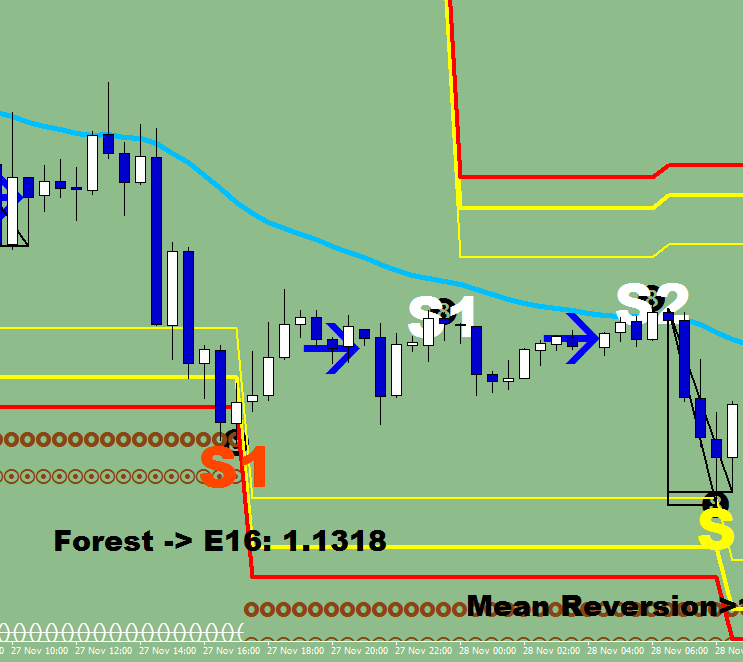
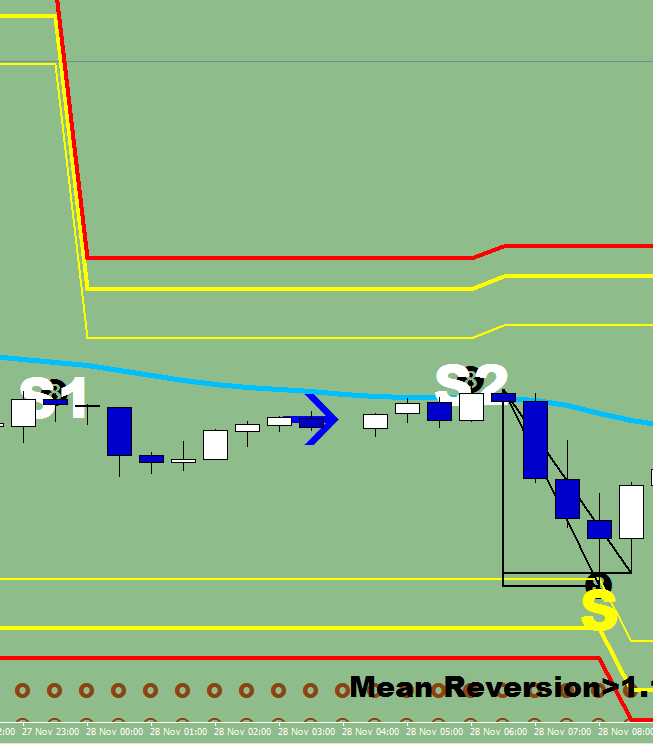
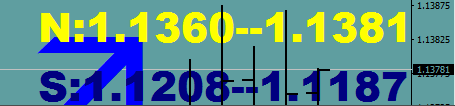
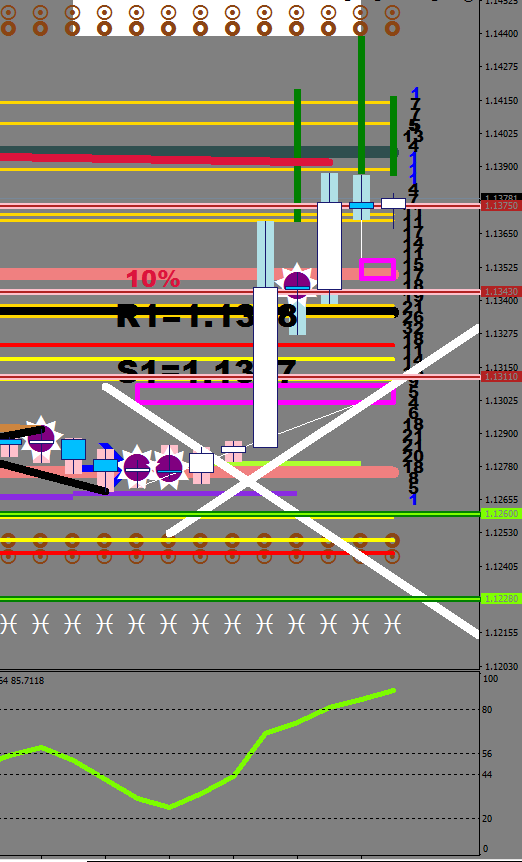
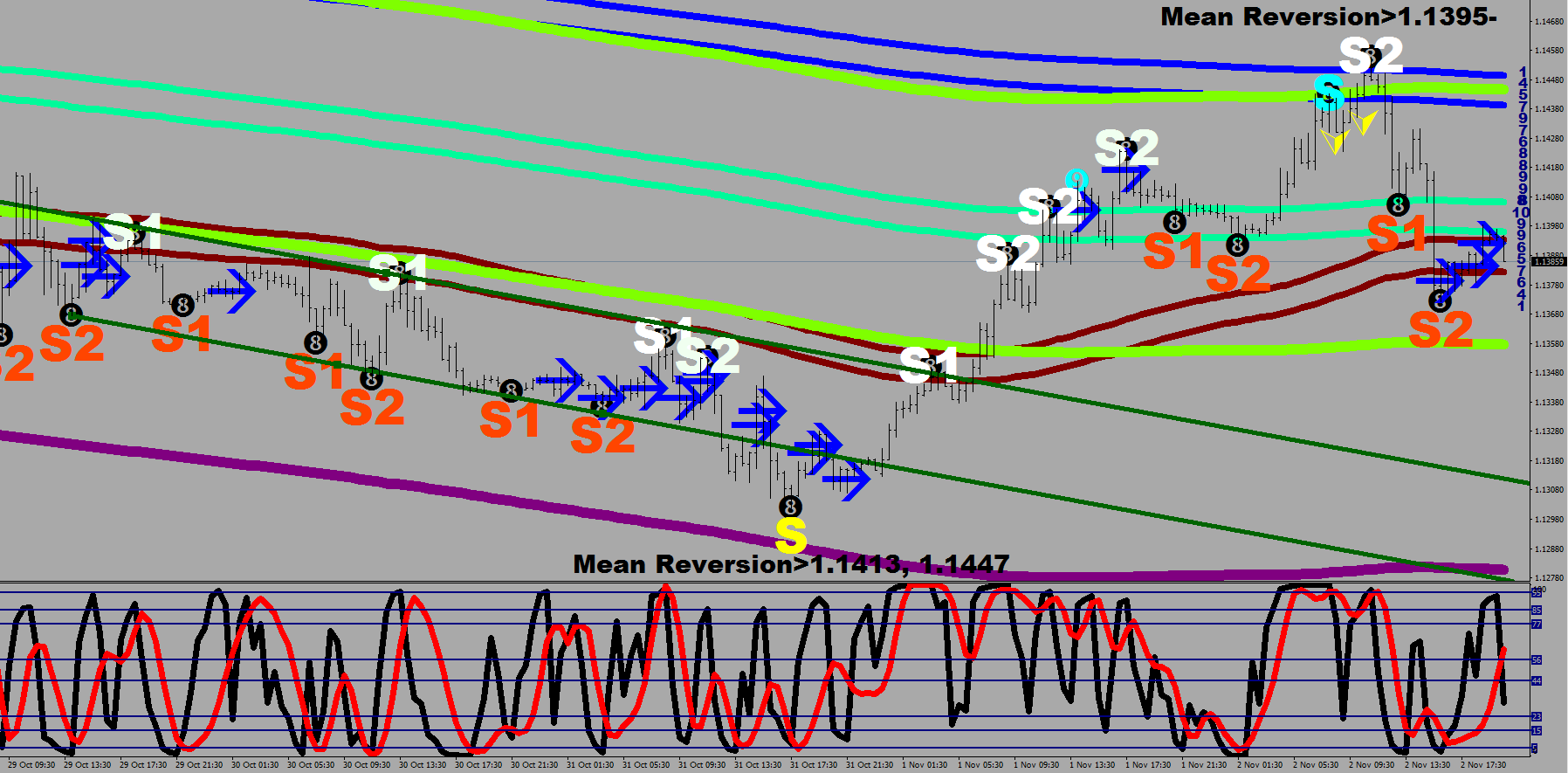
Imagine remembering that the first Forest touch prompts a Forest to E-16 trade, and knowing exactly where the forest is.
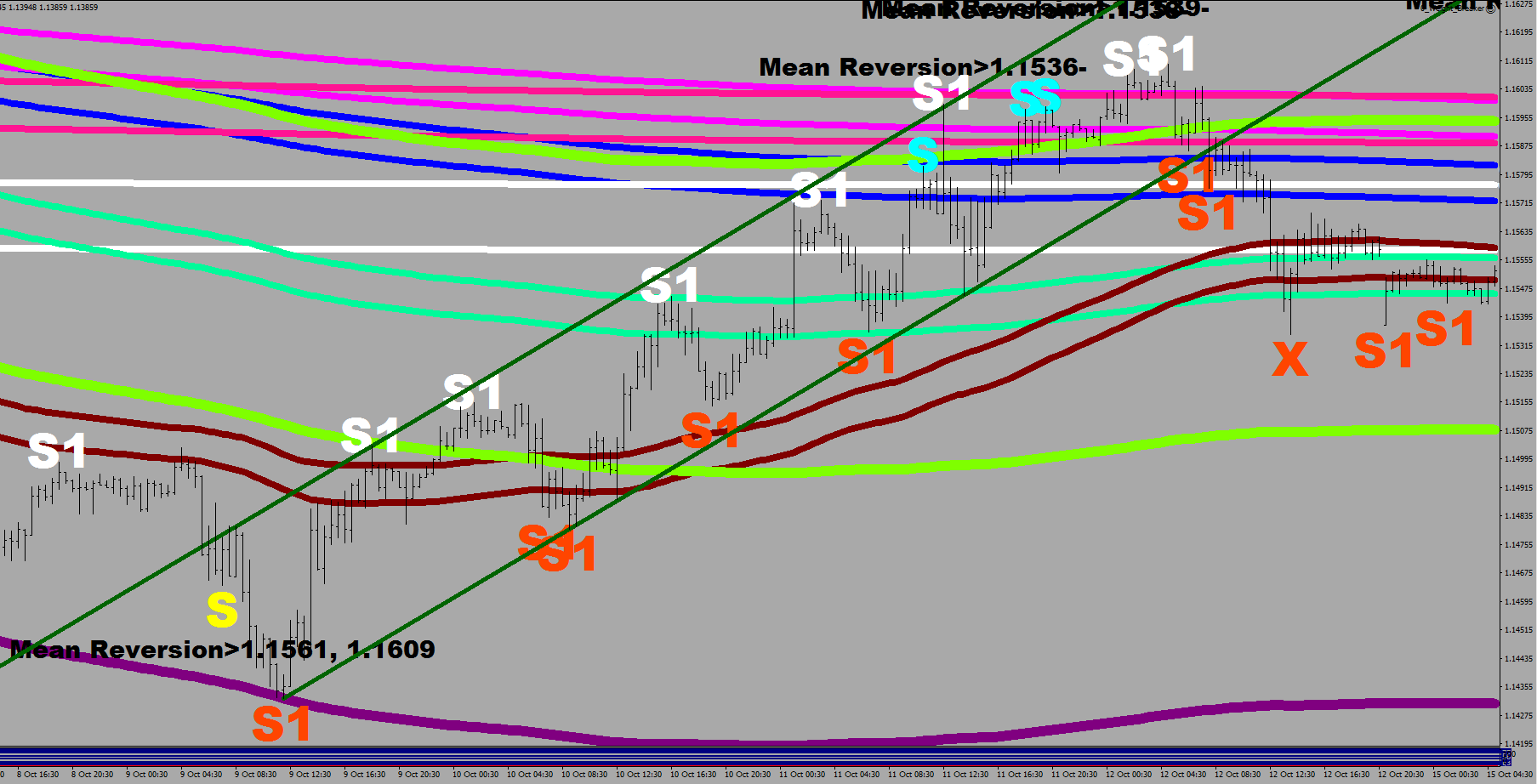
Imagine knowing on the 27th of November, what level to cover the shorts at and go long on the 28th of November.
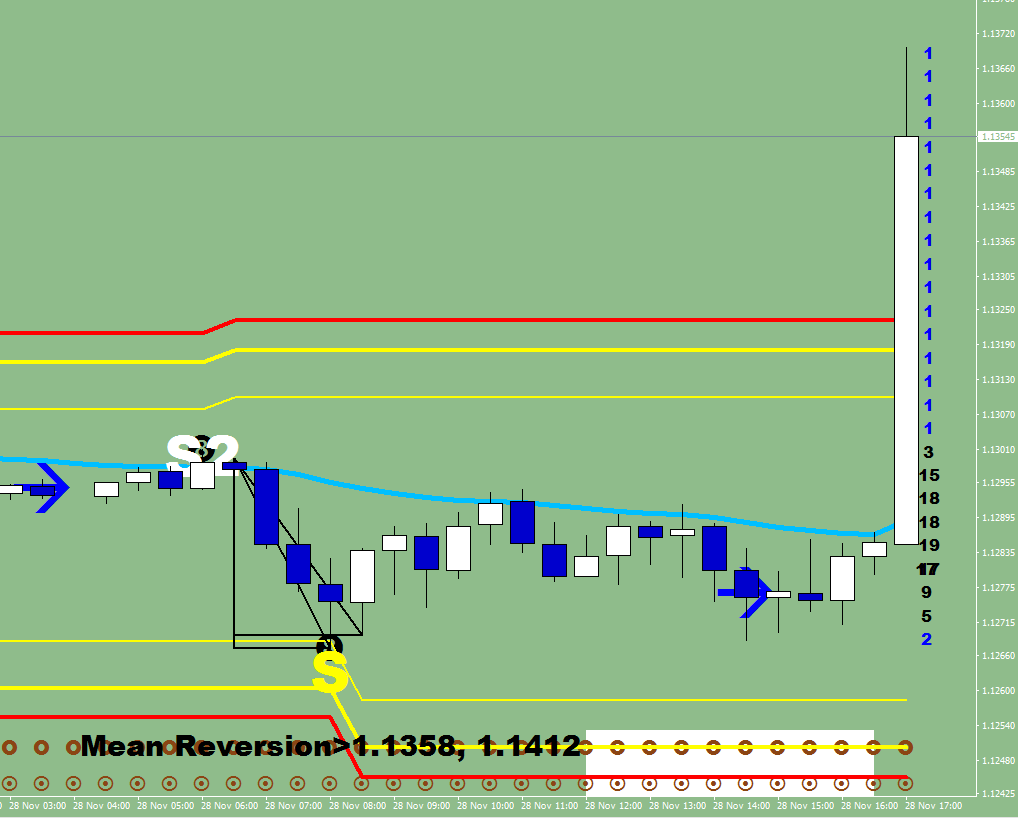
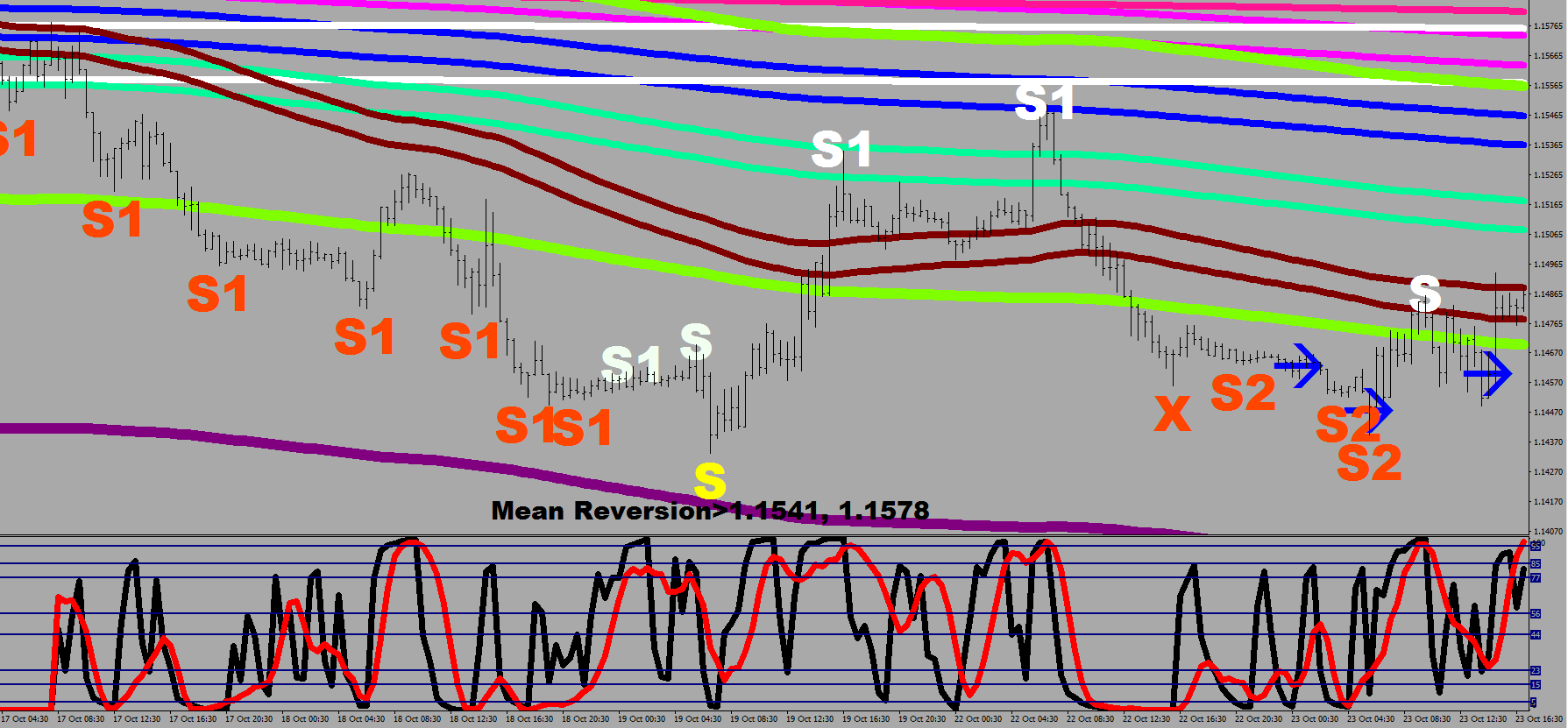
Imagine having an understanding of the inevitable trade, knowing that the “S” print shall not be exceeded on the downside, and a mean reversion was triggered. No matter what the market does between now and two days from now, the price would have reached the 1st target and is possibly going to exceed the second target as well by a smidge.
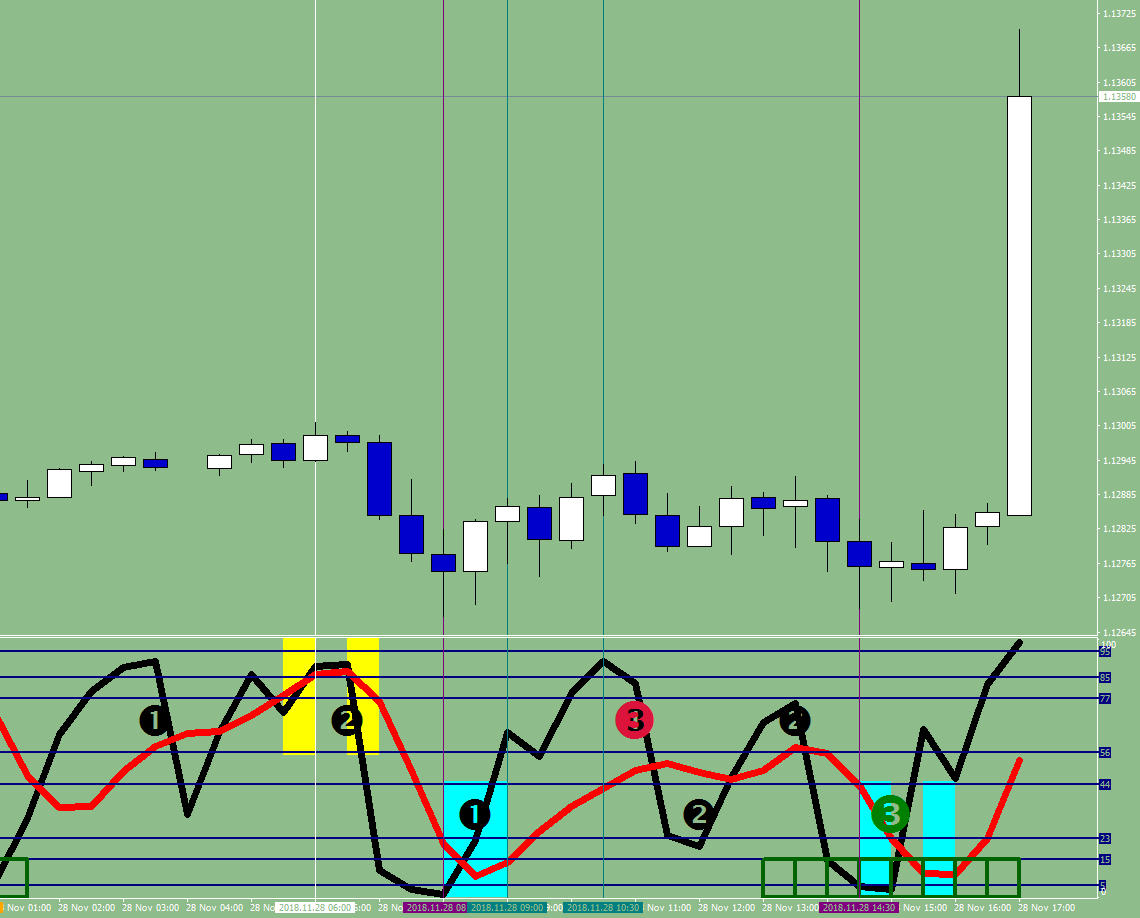
Imagine knowing and remembering how to count to three. And not forgetting to load up the wagon around the “Sync” low.
Imagine having the whole thing play out an hour later.
You no longer need to imagine being light years ahead of everyone else out there.
At times out of nostalgia I browse among my older routines for a current back test to see if any of them holds up well in the current environment.
Hundreds of ideas came and went, but some were on cue all along. I used to have a chess team with not much in common but the idea to exploit an edge.
Now I am thinking more of in terms of a complete, well rounded system, and I expect just as much from the management part as from the “excuses”, the trade initiator routines.
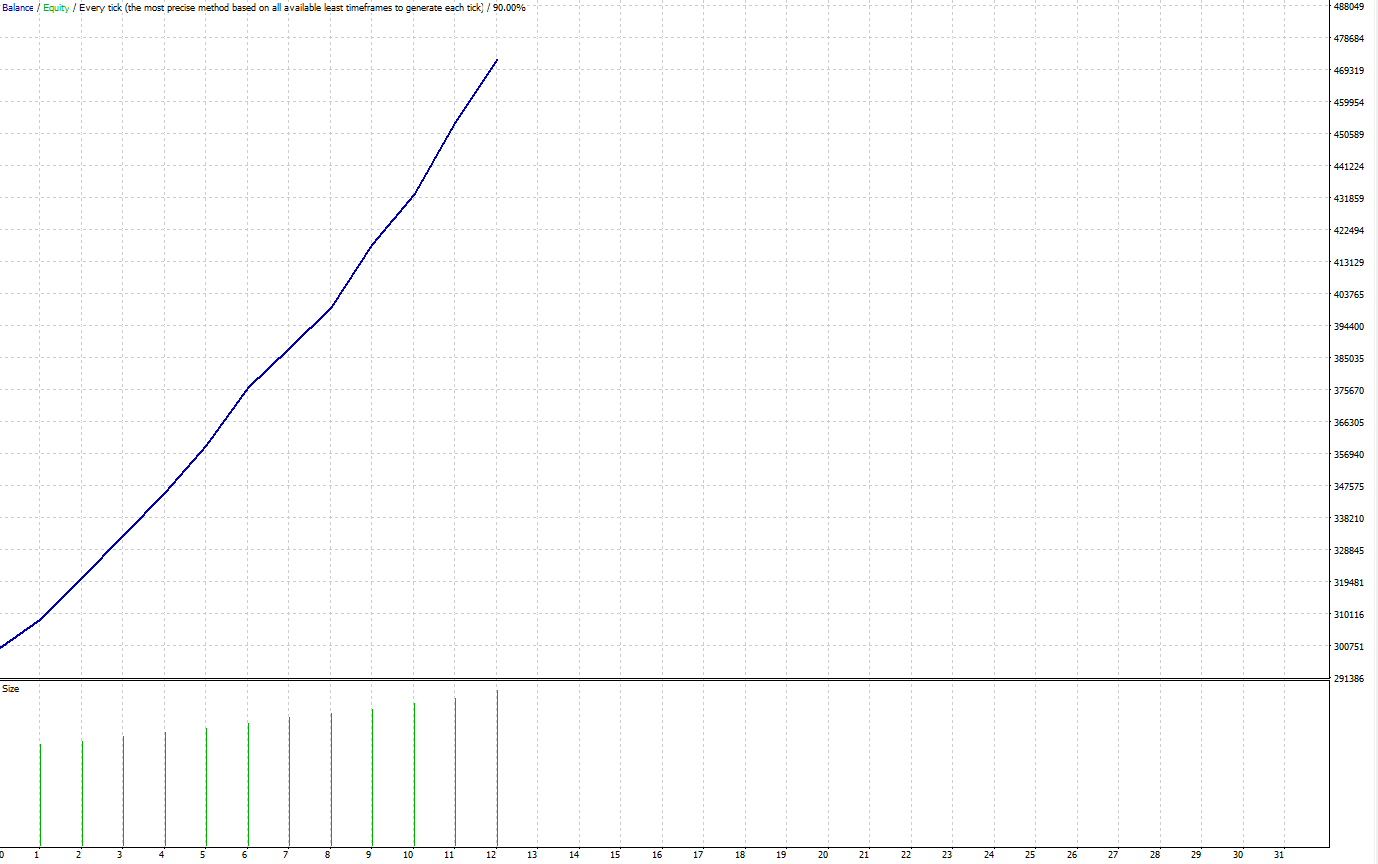
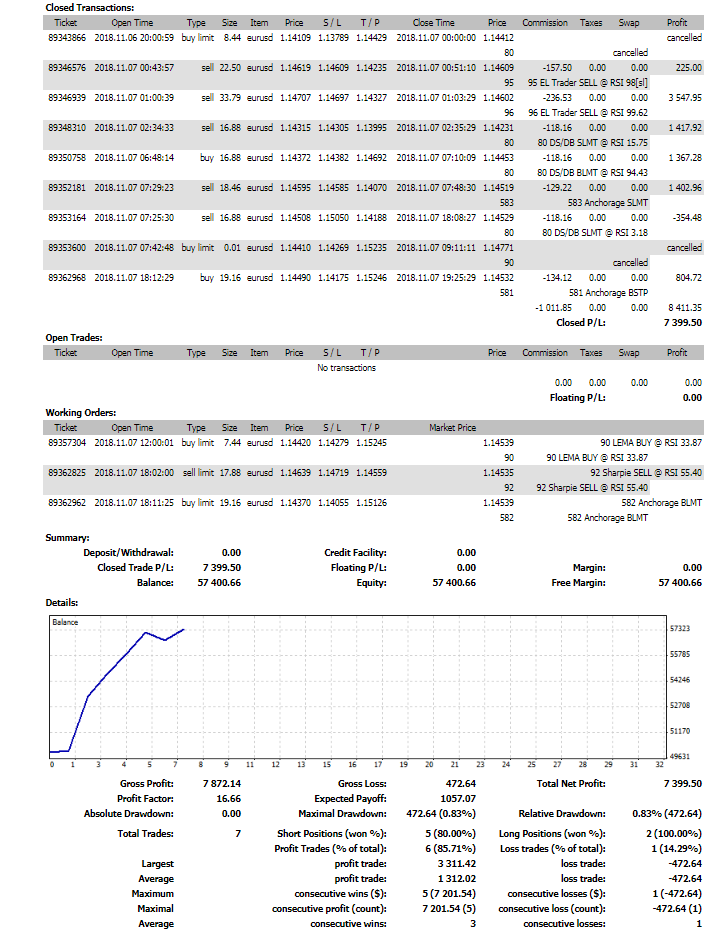
I am happy when I see something with a back test like this:
This is treasure. Something with a great edge. All you need to do is sell instead of buy and vica versa.
I would like you to follow on my path in redoing the piece of code I have coming up here.
I made a few modifications and this is what I ended up with.
Out of the total, 17 “bad turned good” trades I only lost 5 when I applied one 4-hour filter per direction – to eliminate the losing trades.
Can you do this? Could you even better?
Feel free to show me your insights and your results!
The testing period is from the 1st of October, 2018 to the 25th of November, 2018. Tested on EUR/USD with 2 points average spread.
if (OrderSelect(i, SELECT_BY_POS)) if (OrderMagicNumber() == magic_number) { order_type = OrderType(); if (order_type == ORDER_TYPE_SELL_STOP) { if ((NormalizeDouble(OrderOpenPrice(), Digits) != open_price) || (NormalizeDouble(OrderStopLoss(), Digits) != stop_loss_price) || (NormalizeDouble(OrderTakeProfit(), Digits) != take_profit_price)) { if (!OrderModify(OrderTicket(), open_price, stop_loss_price, take_profit_price, OrderExpiration())) Print(“Error: “, ErrorDescription(_LastError));
} break; } else if (order_type == ORDER_TYPE_SELL) break; } if (i < 0) if (OrderSend(symbol, OP_SELLSTOP, longsize, open_price, 3, stop_loss_price, take_profit_price, magic_number+” I.T. SSTP “, magic_number) < 0)
Print(“Error: “, ErrorDescription(_LastError)); } else for (i = OrdersTotal() – 1; i >= 0; i–) if (TimeCurrent()-OrderOpenTime()>=ClosePendingInSeconds) if (OrderSelect(i, SELECT_BY_POS)) if (OrderMagicNumber() == magic_number) // if (OrderType() == ORDER_TYPE_BUY_LIMIT) if (!OrderDelete(OrderTicket())) Print(“Error: “, ErrorDescription(_LastError));
The need of hedging comes from the presence of human error.
Human error is for instance opening a position without a reason, not having / eliminating stop losses, and you cannot blame an EA for opening a trade at the wrong place/ time, only the maker who failed to factor in all possibilities and failed to include / find the necessary / right filters.
I have started a video series on hedging, called 4-step Auto Hedging in Forex.
In my opinion, there are three different hedging systems, and they all have their use.
1. Ratio Hedging
The fore-mentioned videos talk about a 4-step hedging system that is meant to prevent you from the equity/balance ratio dropping below a certain level. The weakness of ratio hedging is that it only relies on the equity drop and does not consider other factors, so you may end up with a hedge at a wrong place/time especially when you are opening larger sizes that you may be tempted for especially when having larger leverage at your disposal. The 4 steps as a reminder are: 33% hedge (the rope trade), 5% equity drop later 1/2 hedge, 5% equity drop later overhedge, and if for some reason push comes to shove, 5% later a full hedge gets clicked on – after which manual close outs mean the resolution.
2. Break Out Hedging
Break out hedging may be too far out to be accommodating, and would not eliminate the possibility of a margin call. This is where my good old, “re-calculate needed size, post pending order, wait, delete order” sequence can be utilized. To not be allocating to much bandwidth, it is sensible to to only start posting orders when price is within stone throw distance. I use my Forest model for this kind of hedging which by now includes the hedging line. This, roll-out, automatic hedging can be done with over size as well, and the routines can close out the hedges when the next mile stone was made.
3. Proactive hedging
I know, all hedging genders are proactive, they try to prevent from losses, but this particular kind is the early bird of the tree. If you were a human, this would be your place to chip in. The opened hedge sizes do not exceed the open position sizes (in the opposite direction), so if nothing is open, nothing happens. Since there is a place and a need to catering for the trading robots, Humanitica would have to define for the human what he/she is allowed to do in order not to cause any harm to the robots and the account balance. A lot of the human role can and should be handed over to the Human-Substitute Bots, for a human is not capable to carry out a 24-hour service, nor can they make emotionless judgements. Yet, they must be trained in order to aid their chances of survival.
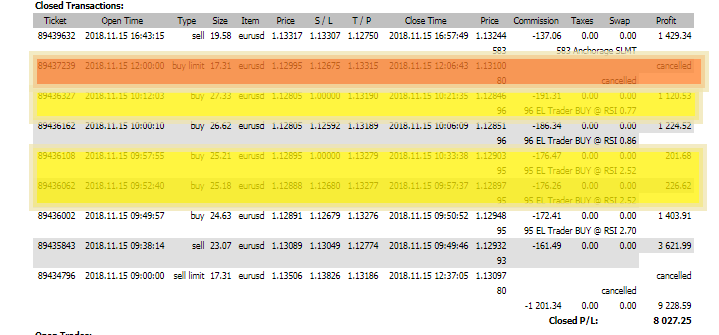
Well, would had been if I did not touch the phone all day.
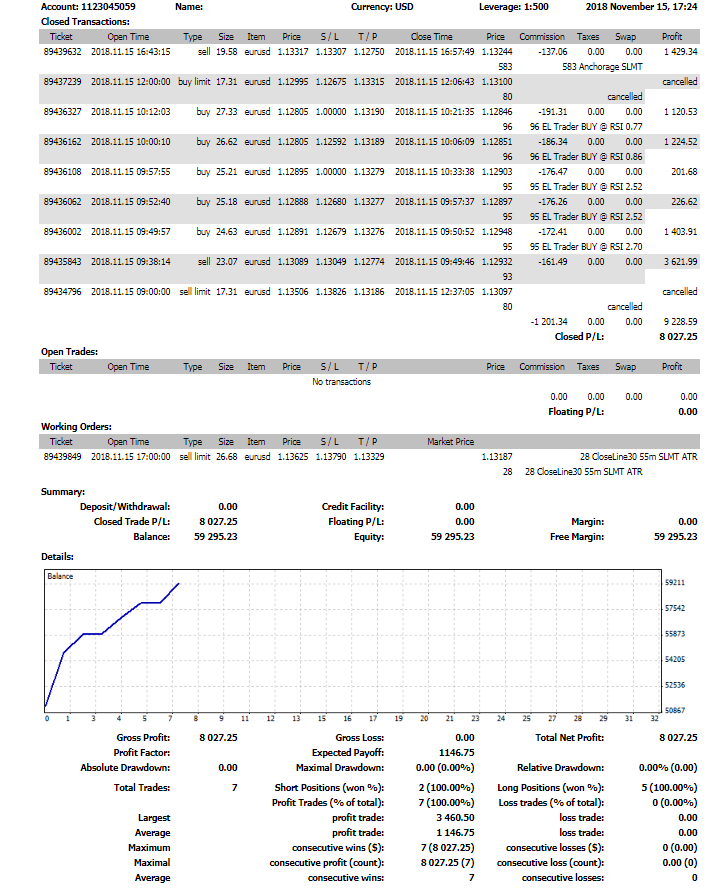
Here is how it shaped up after all:
Yeah, this is only 15.65%, I am fully aware.
I cancelled 4 trades.
The orange, buy limit would had been cropped at 2.5% gains potentially, if I did not touch it.
The next yellow box, the 96 EL potentially would had made it to 7% gains, for it is a high privilege trade, just like the first trade of the day was with “93” magic number (my weight breaker routine).
The other two yellow – at least one of those should had made it to the 2.5% crop.
I left 12% on the table due to having a cell phone at my disposal and too much time to interfere unnecessarily.
There were no trades opened manually, and none of the stop losses were danger of being hit.